

In the previous article, we discussed <How Does Cored Wire Help Foundries Achieve Green Transformation and Quality Upgrades?>, exploring how cored wire technology aids foundries in achieving green transformation and quality improvement. Today, we focus on a crucial additive—the silicon-calcium cored wire (also known as calcium-silicon wire), delving into its specific application methods and core operational essentials.
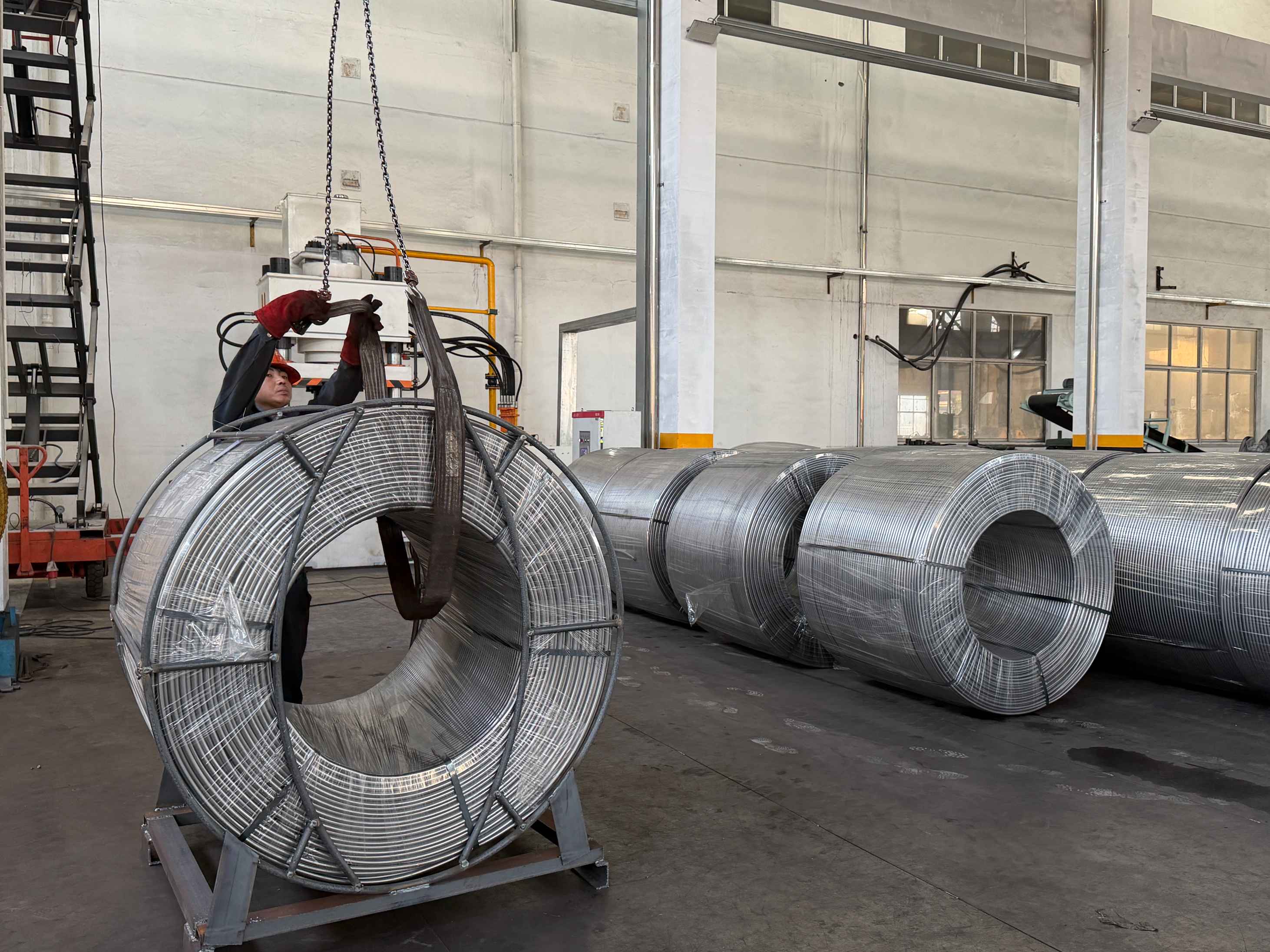
I. Function and Importance of Silicon-Calcium Cored Wire
The silicon-calcium cored wire is a wire-shaped product made by rolling silicon-calcium powder into a steel strip. It plays a pivotal role in steelmaking as an efficient additive, facilitating the precise regulation and control of the content of easily oxidizable and trace elements in molten steel. Its application significantly improves alloy yield, effectively reduces smelting costs, shortens the smelting cycle, and enables accurate control of final composition. During molten steel purification and modification, the sequence and method of adding silicon-calcium wire are particularly specific. Only by following the correct procedures can its full potential be realized in improving fluidity, deoxidation, desulfurization, and inclusion modification.
II. Core of Calcium Treatment Operation: Feeding Depth and Speed
Compared to other additives, silicon-calcium cored wire reacts more vigorously in molten steel, necessitating meticulous calcium treatment operation, focusing on controlling feeding depth and feeding speed. Due to the high vapor pressure of calcium, deep feeding is essential to prevent premature evaporation, ensuring calcium release deep within the molten steel. In practice, two complementary strategies are typically employed: first, increasing the thickness of the wire's iron sheath to delay its melting in the slag layer and steel surface, protecting the core powder until it reaches deeper zones; second, increasing the feeding speed to provide sufficient kinetic energy for rapid penetration through the slag layer to the desired depth. A higher feeding speed minimizes calcium loss due to oxidation by slag, enhances molten steel's absorption of calcium, and steadily improves the calcium recovery rate.
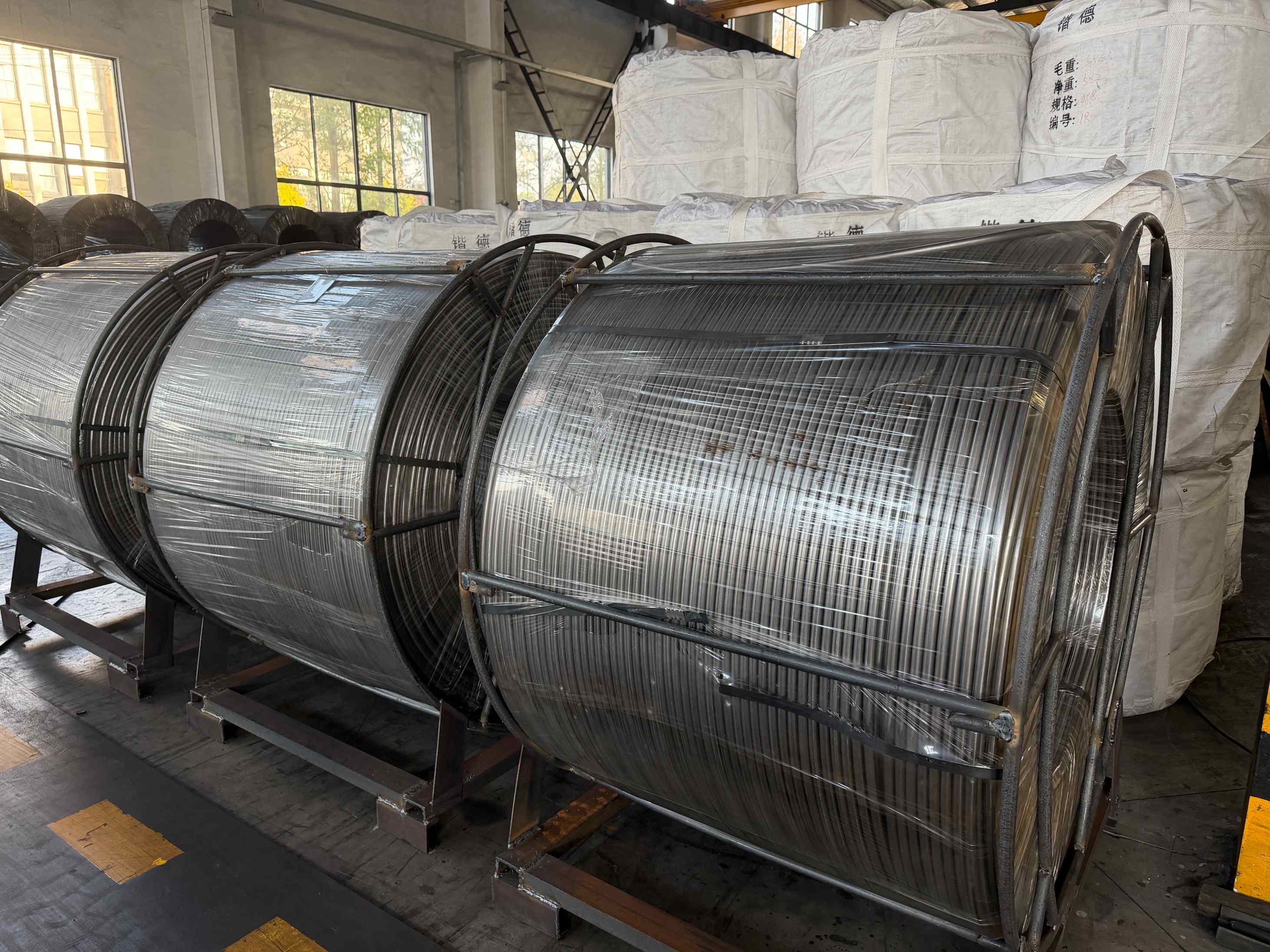
III. Key Process Parameters: Balancing Speed and Rhythm
Feeding speed and feeding rhythm are critical process parameters determining the effectiveness of silicon-calcium cored wire treatment. Improper speed or rhythm directly affects the core wire's melting time and degree of oxidation in the steel. Operators must closely monitor the condition of the molten steel throughout the process and make flexible adjustments. When excessive agitation due to intense reaction is observed, it is imperative to pause feeding immediately and resume only after stabilization to prevent splashing, ensuring both safety and treatment efficacy. This dynamic control capability is vital for successful calcium treatment and achieving accurate control of composition.
In summary, the scientific use of silicon-calcium cored wire is a precise technology. By optimizing feeding depth, feeding speed, and feeding rhythm, and strictly monitoring the condition of the molten steel, its metallurgical benefits can be maximized, contributing to efficient and stable smelting operations while enhancing steel quality.