

Following the analysis of the advantages of the "wire feeding process" in the previous part, we focus on a specific problem directly caused by the deoxidation process. Aluminum is a strong deoxidizer widely used in killed steel production. However, the deoxidation product Al₂O₃ inclusions have a high melting point and a fine, clustered morphology, making them aggregate during continuous casting, clogging the tundish nozzle. This leads to interrupted casting, reduced sequence casting heats, disrupted production schedules, and even safety incidents. This is not only an efficiency "killer" but also a root cause of quality fluctuations. How to ensure smooth continuous casting while achieving efficient deoxidation? Wuxi WeiDa Cored Wire Co., Ltd.'s aluminum deoxidation optimization and calcium treatment modification solution is precisely the tool to clear this "last mile" obstacle for you.
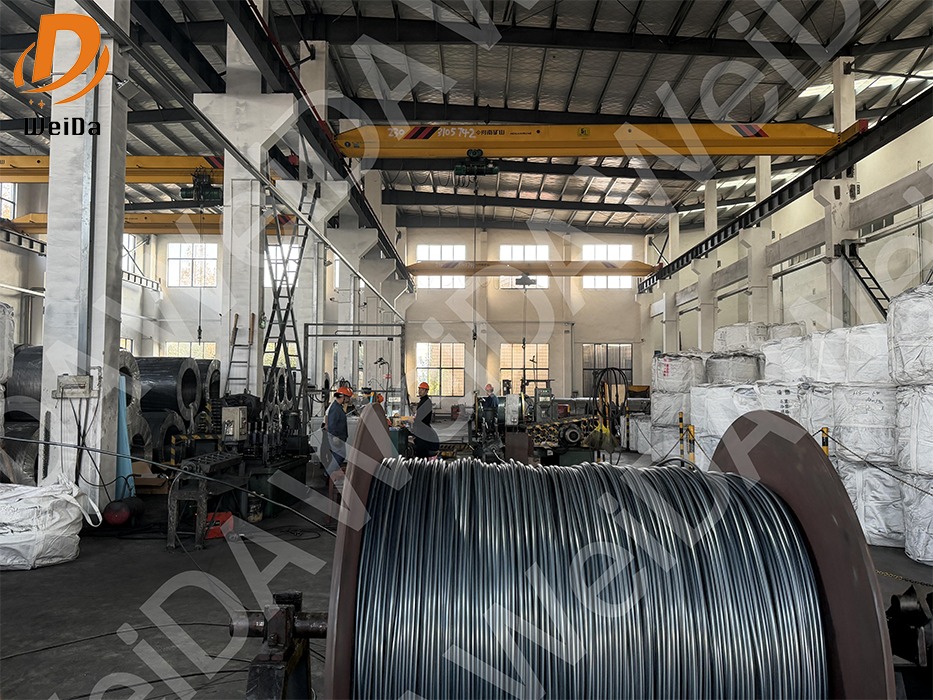
Nozzle Clogging: A "Sword of Damocles" on the Production Line
When you add aluminum wire to obtain clean killed steel, the resulting massive amount of tiny Al₂O₃ inclusions float in the molten steel like "cotton wool." They not only deteriorate the fatigue properties and surface quality of the steel but also gradually adhere to the inner wall as they flow through the narrow nozzle, accumulating until completely blocked. Forced nozzle changes mean production stoppage, temperature drop, increased scrap from head and tail slabs, and disruption of the entire production rhythm. Many steel plants have to rely on experience for fuzzy control, but the results are inconsistent, failing to solve the problem fundamentally.
Calcium Treatment: "Modifying" Harmful Inclusions
The core of the problem lies in changing the morphology of Al₂O₃. Wuxi WeiDa provides pure calcium wire or calcium iron wire, added to the aluminum-deoxidized steel via precise wire feeding. Calcium (Ca) reacts with the hard Al₂O₃, generating a series of low-melting-point calcium aluminate compounds (e.g., 12CaO·7Al₂O₃, melting point ~1450°C).
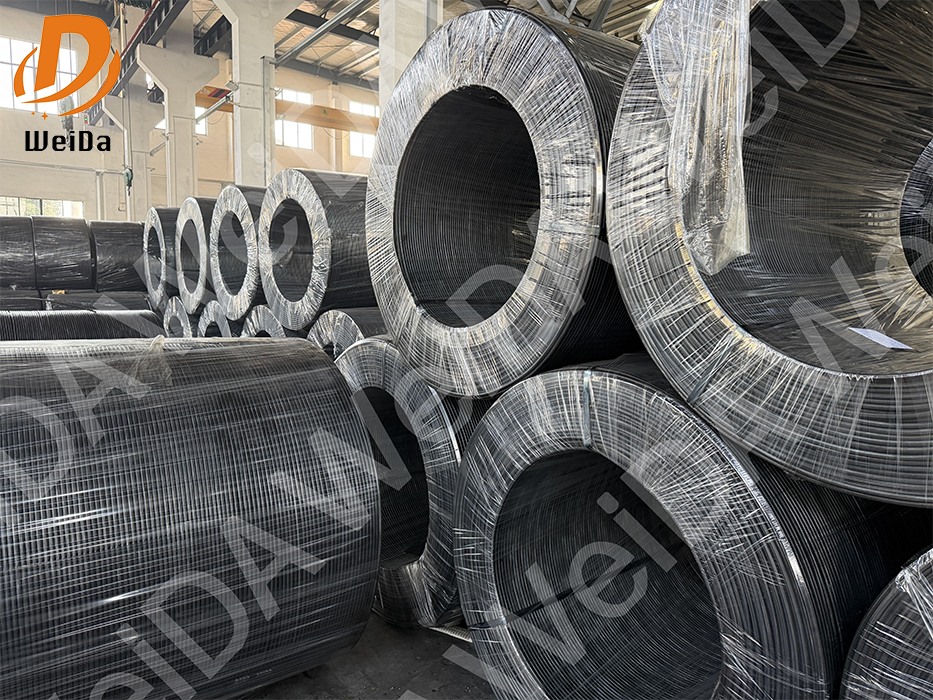
This transformation brings two fundamental improvements: First, morphology spheroidization. The liquid calcium aluminates contract into spheres within the steel, losing their angularity and stickiness. Second, softening and removal. Globular inclusions are less likely to aggregate in the steel and more easily float up to be absorbed by the slag layer. Ultimately, the solid inclusions in the molten steel are significantly reduced, and fluidity is greatly improved. This not only completely solves the problem of tundish nozzle clogging and restricted flow, significantly increases sequence casting heats, but also simultaneously enhances steel cleanliness, giving your products superior internal quality and processing performance.
Integrated Solution to Ensure Smooth Casting
We understand that standalone calcium treatment is not a key. Wuxi WeiDa's technical service team will deeply analyze your specific steel grade, aluminum content, and process route to recommend the most suitable type of calcium treatment wire, feeding parameters, and addition amount, ensuring optimal modification effect and avoiding over- or under-treatment. Our goal is to help you establish a stable and reliable continuous casting protective casting system, minimizing the risk of nozzle clogging and achieving efficient, continuous, and stable production.
If you are troubled by frequent clogging of continuous casting tundish nozzles, inability to increase sequence casting heats, or cleanliness control of aluminum-killed steel, our professional solutions can help. Visit https://www.weidamaterials.com/ immediately for targeted technical information.