

In our last discussion about special steel performance falling short of theoretical values, we touched upon the microscopic world of inclusions and trace elements. Today, we delve deeper into another critical factor determining steel's ultimate capabilities: microstructure uniformity. Even with perfect chemical composition and low inclusion levels, if your steel exhibits banded structures, coarse grains, or uneven phase distribution, its performance—especially in critical applications—will be compromised. How to achieve consistent, refined, and uniform microstructure across your entire product? Wuxi WeiDa Cored Wire Co., Ltd. provides targeted solutions through microalloying and grain refinement technologies.
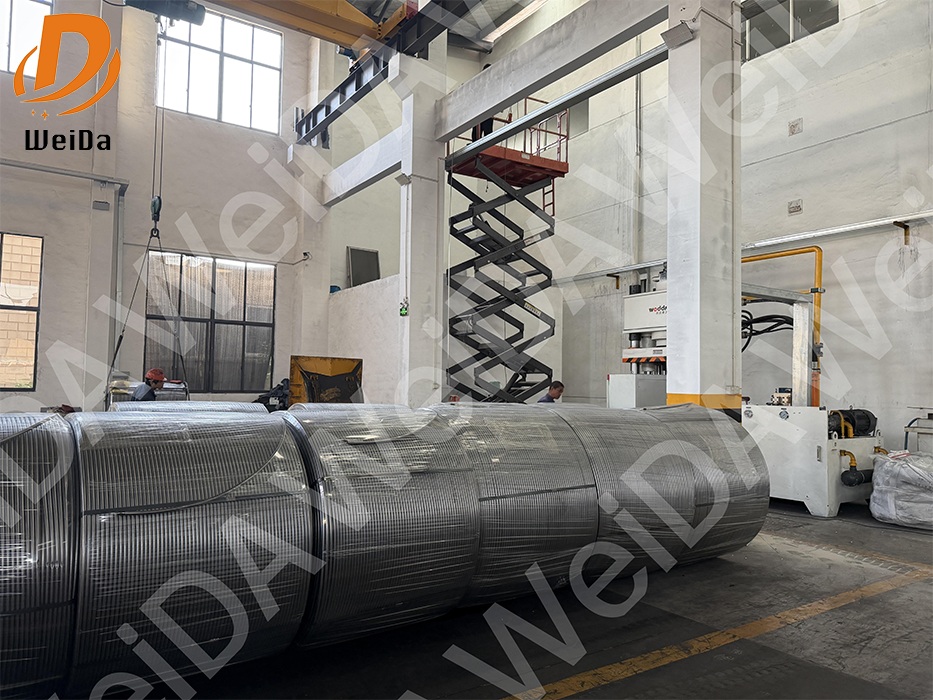
The "Achilles' Heel" of Inconsistent Structure
When steel solidifies and undergoes thermomechanical processing, non-uniformity can manifest in various detrimental forms. Severe segregation during solidification creates banded structures that persist through rolling, causing anisotropic properties. Coarse austenite grains prior to transformation lead to mixed grain sizes in the final product, deteriorating toughness. Inadequate control of precipitates can result in uneven precipitation hardening, causing local hardness variations. These microstructural inconsistencies translate directly into macro-level problems: unpredictable machinability, variable response to heat treatment, inconsistent weldability, and premature failure under dynamic loading. For manufacturers of critical components like automotive gears, bearing rings, or oil country tubular goods, this unpredictability is unacceptable.
Our Precision Tools: Grain Refinement and Microalloying
Wuxi WeiDa's portfolio of microalloying cored wires offers precise control over steel's microstructure development. First, effective grain refinement. Our aluminum wire, titanium wire, and niobium wire enable the formation of stable nitride and carbide particles (AlN, TiN, Nb(C,N)) during solidification and reheating. These particles pin grain boundaries, effectively preventing austenite grain coarsening and ensuring a fine, uniform prior austenite grain size. This fundamental control is the basis for all subsequent microstructure development.
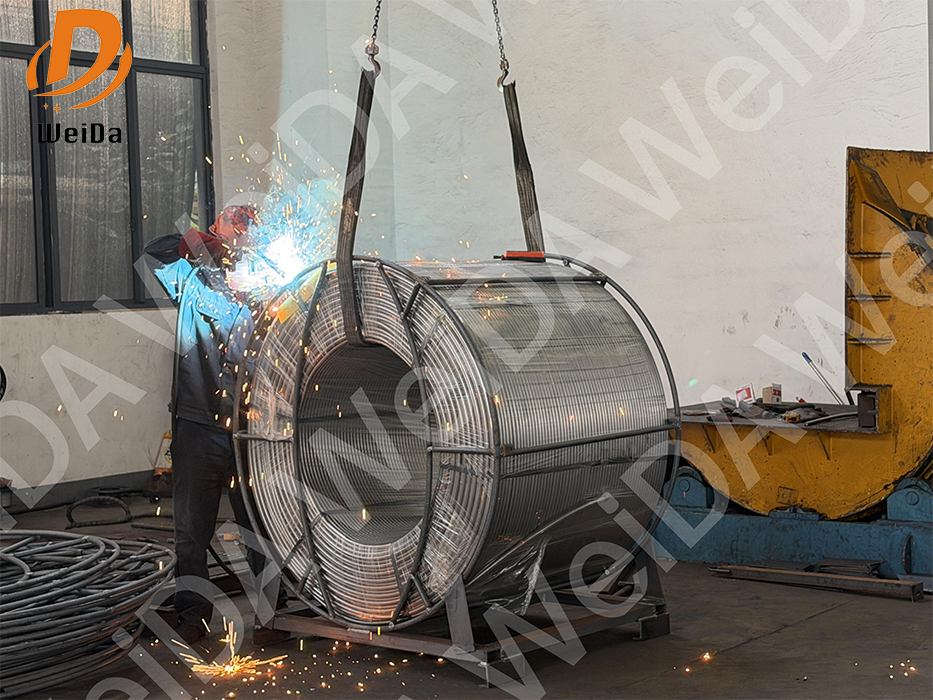
Second, controlled precipitation strengthening. Through precise addition of vanadium, niobium, or nitrogen via our cored wires, we enable controlled precipitation of strengthening phases during or after rolling. This allows you to achieve higher strength levels without compromising toughness, essential for high-strength low-alloy steels and advanced high-strength steels used in automotive and construction applications.
Third, minimizing segregation. Our rare earth cored wires and calcium treatment not only modify inclusions but also help reduce microsegregation of harmful elements, promoting a more homogeneous as-cast structure that responds uniformly to subsequent processing.
Achieving Consistency Through Precision
The key to microstructure uniformity lies in precision delivery. Our boron-treated steel wire ensures consistent hardenability enhancement without the brittleness often associated with boron addition. Our nitrogen-bearing alloy wires allow tight control over nitrogen levels for nitride-forming grades. The wire feeding method ensures these elements are distributed uniformly throughout the molten steel, avoiding the local concentration variations inherent in lump additions. This precision translates into steel with predictable heat treatment response, consistent mechanical properties from heat to heat, and superior performance in service.
If your challenge involves eliminating banded structures, achieving consistent grain size, or maximizing the effectiveness of microalloying elements, Wuxi WeiDa has the expertise and products to help. Contact us through https://www.weidamaterials.com/ for a consultation.