

Throughout this series, we've explored various aspects of secondary metallurgy, from inclusion control to microalloying. One fundamental process underpinning all high-quality steel production is efficient desulfurization. The demand for ultra-low sulfur levels (<0.005%, even <0.001%) in applications like line pipe steel, ship plate, and high-grade forging steel is ever-increasing. Yet, many steel plants struggle to achieve these low levels within their allotted LF treatment time, creating a bottleneck that limits productivity and increases costs. How can you achieve deeper desulfurization faster, without extending your refining cycle? Wuxi WeiDa Cored Wire Co., Ltd. offers solutions through optimized slag chemistry and efficient calcium addition.
The Desulfurization Dilemma: Time vs. Quality
Desulfurization in secondary metallurgy relies on favorable thermodynamic conditions: high temperature, low oxygen activity, basic slag with high CaO activity, and good kinetic conditions for slag-metal reaction. Traditionally, achieving ultra-low sulfur requires extended treatment times for slag melting, desulfurization reactions to proceed, and re-equilibration after additions. This extends tap-to-tap time, increases refractory wear, and consumes valuable energy. When schedules are tight, operators may be forced to accept higher sulfur levels or inconsistent results, compromising final product quality.
Our Approach: Accelerating the Desulfurization Process
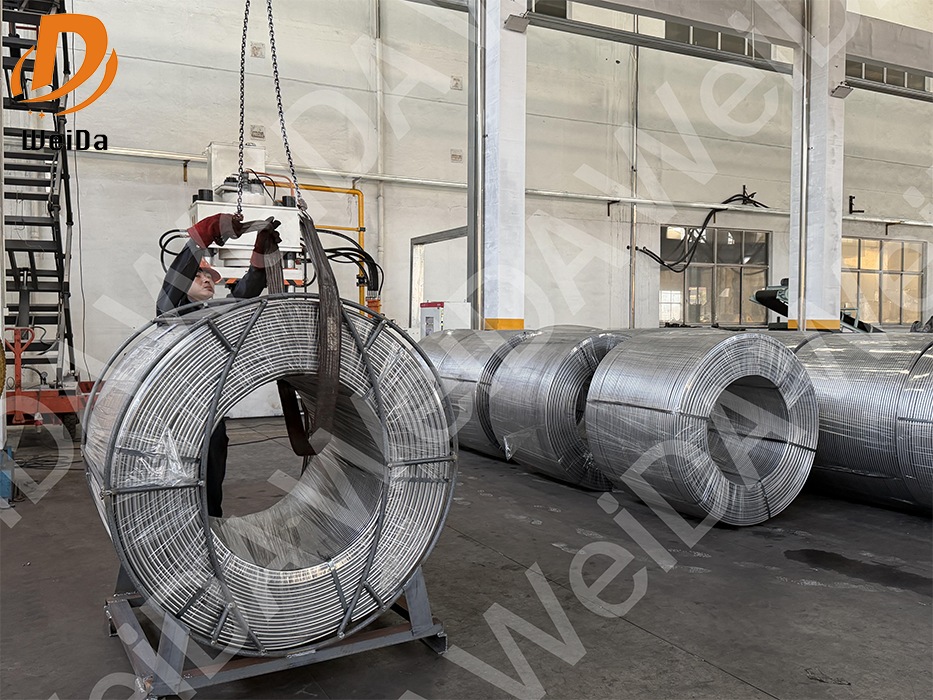
Wuxi WeiDa addresses this challenge through two complementary strategies. First, optimizing slag formation and chemistry. Our calcium aluminate based synthetic slag cored wires can be injected directly into the steel during tapping or early in LF treatment. This provides pre-melted, highly reactive slag components that rapidly form a desulfurizing slag with high sulfide capacity. Compared to adding lump slag formers, which require significant time and energy to melt and homogenize, our approach dramatically reduces the time to reach optimal slag conditions.
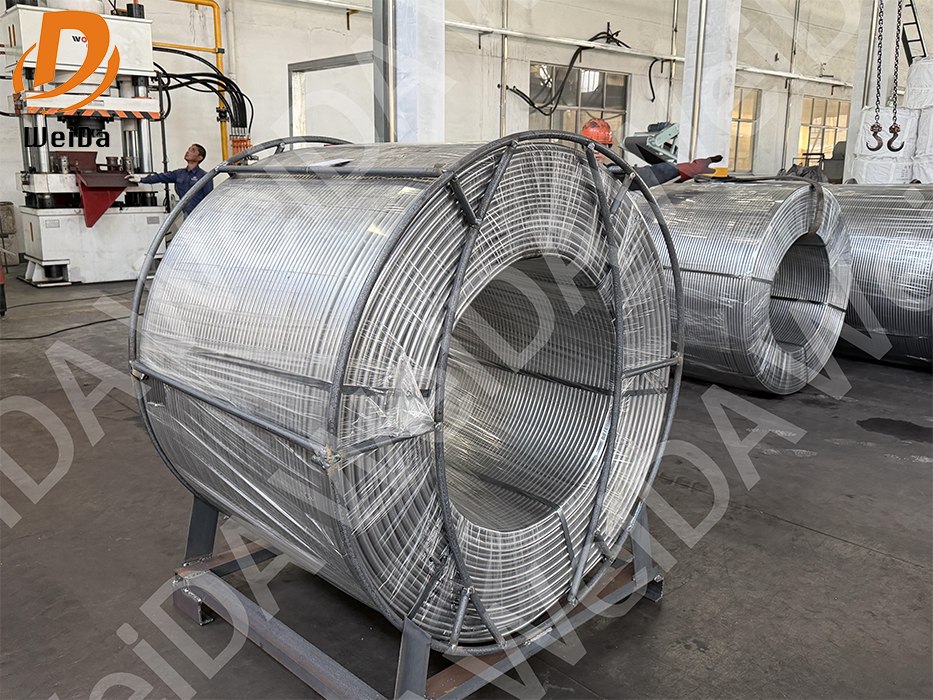
Second, enhancing kinetic conditions. The rate-limiting step in desulfurization is often mass transfer of sulfur through the boundary layer at the slag-metal interface. Our calcium treatment, applied strategically, generates fine gas bubbles as calcium vaporizes, creating intense local stirring that significantly enhances slag-metal contact and accelerates sulfur transfer. This is particularly effective when targeting sulfur levels below 0.005%.
Third, precise control of oxygen activity. Deep desulfurization requires very low oxygen activity. Our aluminum wire and calcium aluminum wire allow precise final deoxidation, ensuring the steel reaches the required oxygen potential for efficient desulfurization without excess aluminum addition that could increase inclusion content.
The Integrated Benefit: Faster, Cleaner, More Efficient
By combining optimized slag practice with enhanced kinetics, steel plants using Wuxi WeiDa products can achieve their target sulfur levels in less time, often reducing LF treatment duration by 10-20% for the same sulfur endpoint. This translates directly into increased productivity, lower energy consumption, and improved refractory life. Furthermore, the precisely controlled process yields more consistent results, reducing the risk of off-grade heats.
If you're seeking to increase desulfurization efficiency, reduce LF treatment time, or consistently achieve ultra-low sulfur levels, our team can help. Visit https://www.weidamaterials.com/ to learn about our desulfurization optimization programs.