

Nitrogen in steel is a double-edged sword. In our discussions of high-carbon steels and microalloyed grades, we've touched on nitrogen's role as both a beneficial alloying element and a potential detriment. For some applications—austenitic stainless steels, nitrogen-strengthened steels, nitriding grades—nitrogen is intentionally added to improve properties. For others—deep drawing steels, interstitial-free steels, many low-carbon grades—nitrogen is an undesirable impurity that must be minimized. How can you achieve precise nitrogen control, whether adding or removing, to meet your specific product requirements? Wuxi WeiDa Cored Wire Co., Ltd. offers specialized solutions for nitrogen management across the steelmaking process.
The Nitrogen Paradox: Friend and Foe
As an alloying element, nitrogen offers remarkable benefits. In stainless steels, it enhances strength without sacrificing corrosion resistance, stabilizes austenite, and improves pitting resistance. In microalloyed steels, nitrogen combines with vanadium, niobium, or titanium to form strengthening precipitates. In nitriding steels, it forms hard surface layers for wear resistance. However, as an impurity, nitrogen causes strain aging in low-carbon steels, leading to reduced formability and increased yield point elongation. It can combine with aluminum to form surface defects, with titanium to reduce effective titanium for inclusion control, and with boron to negate its hardenability benefits.
Our Solutions: Nitrogen Addition and Nitrogen Control
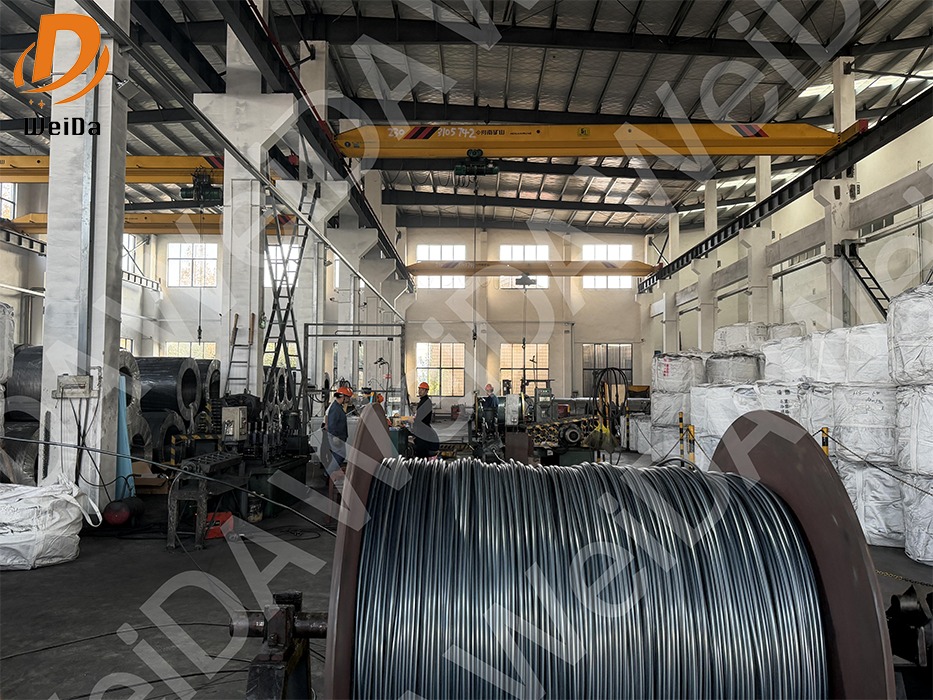
Wuxi WeiDa provides products for both nitrogen addition and nitrogen minimization. First, precision nitrogen addition. Our nitrogen-bearing cored wires include nitrided manganese, chromium nitride, vanadium nitride, and nitrided ferroalloys in wire form. These products allow controlled nitrogen addition directly to the steel, avoiding the inefficiencies and variability of gaseous nitrogen injection or high-nitrogen alloy additions.
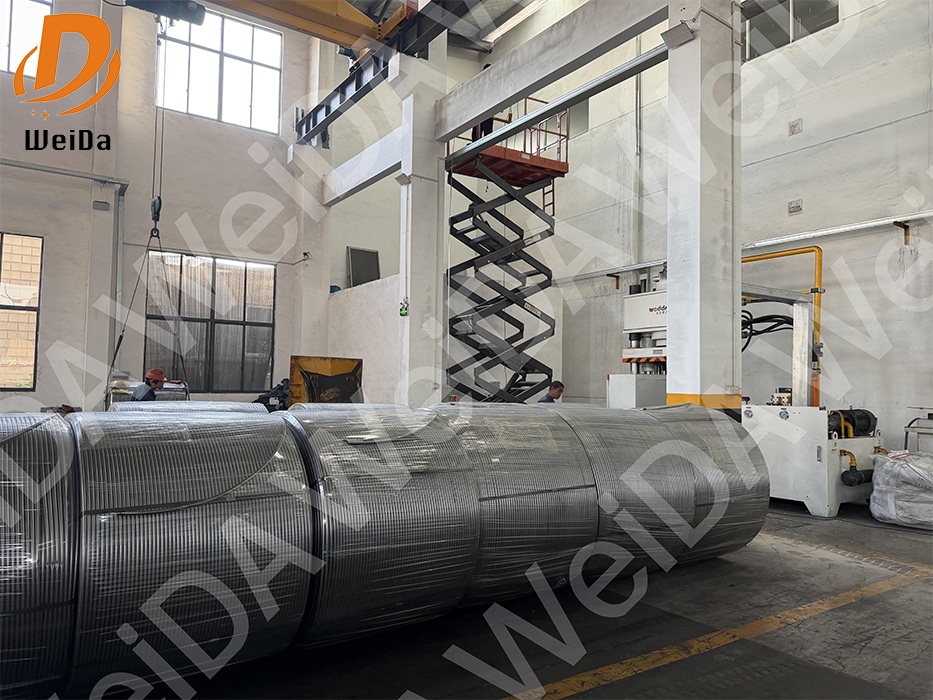
Second, nitrogen stabilization. For applications where nitrogen must be rendered harmless, we offer titanium cored wire and boron cored wire with optimized titanium-to-nitrogen or boron-to-nitrogen ratios. Properly applied, titanium fixes nitrogen as stable TiN particles, preventing strain aging. Boron's effectiveness depends critically on nitrogen control—our boron-titanium composite wires provide the precise balance needed for consistent hardenability enhancement.
Third, minimizing nitrogen pickup. During steelmaking, nitrogen can be absorbed from the atmosphere, particularly during tapping and ladle treatment. Our slag engineering recommendations and protective shrouding practices, combined with optimized aluminum addition timing, help minimize nitrogen pickup during secondary metallurgy.
Application-Specific Solutions
Different steel grades require different nitrogen strategies. For austenitic stainless steels, our chromium nitride and manganese nitride wires enable precise nitrogen alloying. For vanadium-microalloyed steels, our vanadium-nitrogen composite wires optimize the precipitation strengthening response. For interstitial-free steels, our titanium cored wire ensures complete nitrogen fixation. For boron-treated steels, our boron-titanium wires guarantee effective boron without brittleness.
Partnering for Precision
Effective nitrogen management requires understanding both thermodynamics and kinetics, as well as the specific requirements of each steel grade. Wuxi WeiDa's technical team can help you develop nitrogen control strategies, optimize addition practices, and troubleshoot nitrogen-related issues.
Ready to master nitrogen control? Contact us through https://www.weidamaterials.com/ to discuss your specific requirements.