

In our series exploring the many facets of steel production, we've emphasized inclusion control primarily from the perspective of properties—strength, toughness, fatigue resistance. But for a significant portion of the steel market, there's another property that matters enormously: machinability. How the steel performs when cut, drilled, turned, or milled directly impacts the productivity and cost of your customers' operations. How can you engineer your steel for optimal machinability without compromising final properties? Wuxi WeiDa Cored Wire Co., Ltd. provides specialized solutions through controlled inclusion engineering for machinability.
The Machinability Challenge: Balancing Conflicting Requirements
Good machinability requires specific characteristics: low cutting forces, good surface finish, controlled chip formation, and acceptable tool life. Traditionally, these were achieved by adding elements like sulfur, lead, or bismuth to form specific inclusion types that act as chip breakers and tool lubricants. However, these same inclusions—particularly elongated sulfides—can degrade mechanical properties, especially transverse toughness and fatigue resistance. Modern machinability improvement must find the optimal balance between manufacturing performance and final product integrity.
Our Approach: Engineered Inclusions for Machining
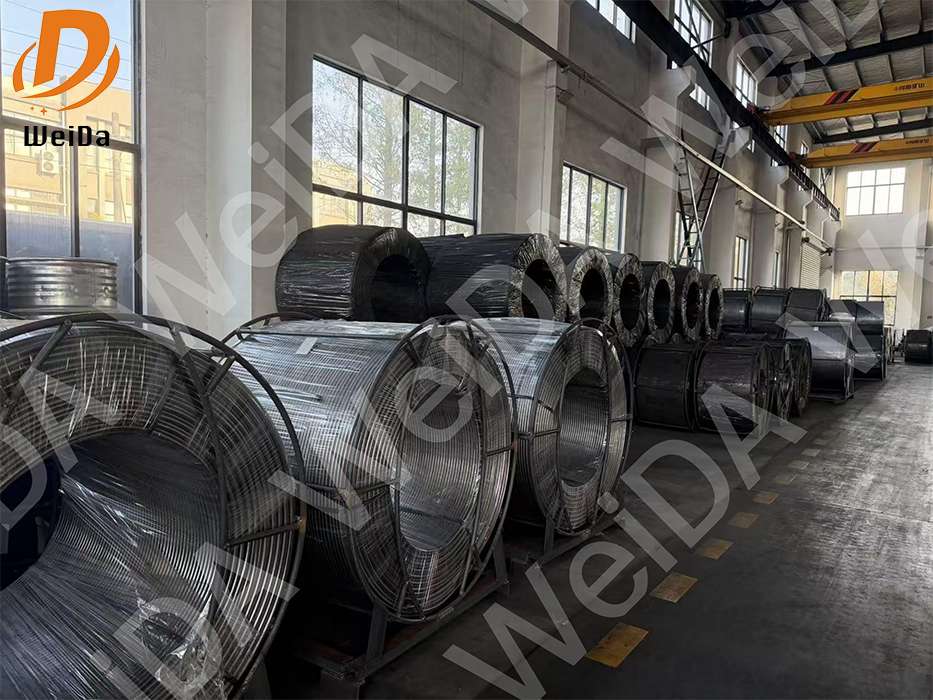
Wuxi WeiDa offers multiple strategies for machinability enhancement. First, controlled sulfide engineering. Rather than simply maximizing sulfur content, we help optimize sulfide morphology and distribution. Our calcium treatment modifies sulfide shape, while our tellurium and selenium cored wires enable controlled modification of sulfide properties. Properly applied, these create inclusions that enhance machinability without the severe anisotropy of uncontrolled sulfides.
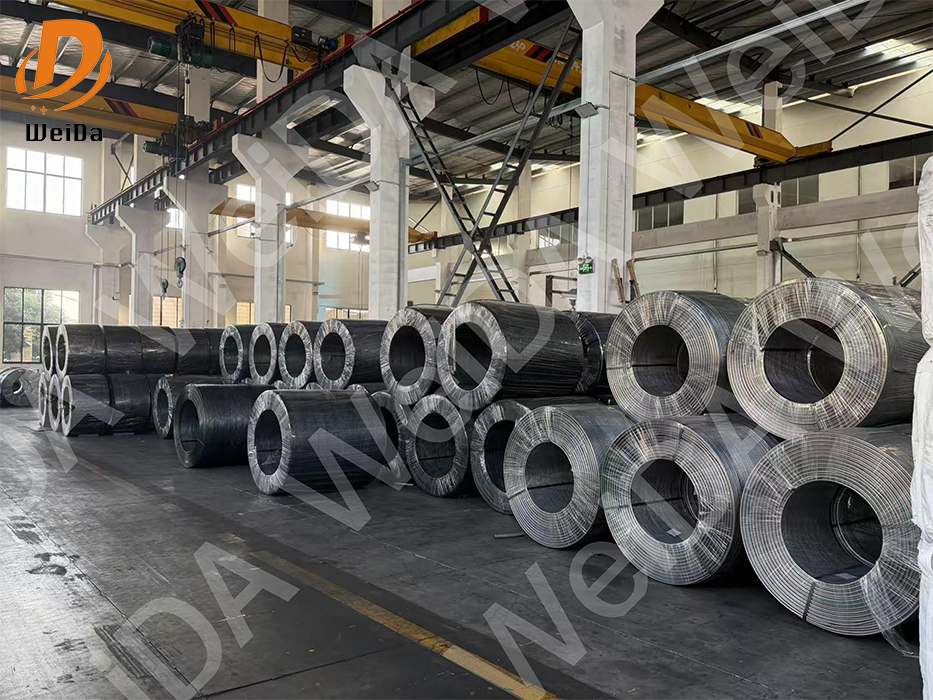
Second, oxide inclusion modification. Hard oxide inclusions are disastrous for tool life. Our calcium-silicon treatment modifies aluminum oxides to softer, globular calcium aluminates that are less abrasive to cutting tools. This extends tool life while improving surface finish.
Third, bismuth and lead alternatives. With increasing environmental and health concerns about lead, alternatives are needed. Our bismuth cored wire and tin cored wire offer lead-free machinability enhancement for free-machining steels, brass, and other alloys requiring improved chip formation.
Fourth, calcium treatment for medium-carbon steels. For many medium-carbon grades used in automotive applications, optimized calcium treatment provides the best combination of machinability and mechanical properties. The globular calcium aluminate and modified sulfide inclusions improve tool life while maintaining the transverse toughness required for highly stressed components.
Application-Specific Solutions
Different machining operations impose different requirements. High-speed machining demands consistent chip breakage and minimal built-up edge. Gundrilling requires stable, predictable chip formation. Broaching needs consistent surface finish and minimal tool wear. Turning benefits from reduced cutting forces and improved tool life. Our technical team can help match the inclusion engineering approach to your customers' specific machining operations.
Beyond Machinability: Maintaining Properties
The key to modern machinability enhancement is achieving the machining benefits without sacrificing the properties that determine final component performance. Our approach to inclusion engineering considers both aspects simultaneously, ensuring that improved machinability doesn't come at the cost of reduced fatigue life, toughness, or formability.
If your customers demand better machinability without compromising quality, Wuxi WeiDa has the solutions. Visit https://www.weidamaterials.com/ to learn more.