

Throughout this series, we've focused primarily on ladle treatment—the addition of alloys and modifiers to achieve desired steel composition and properties. But the journey from ladle to solid product passes through another critical vessel: the tundish. Often viewed simply as a distribution device, the tundish actually offers significant opportunities for final quality enhancement before solidification. How can you optimize your tundish practice to maximize steel cleanliness and minimize defects? Wuxi WeiDa Cored Wire Co., Ltd. provides solutions for advanced tundish metallurgy.
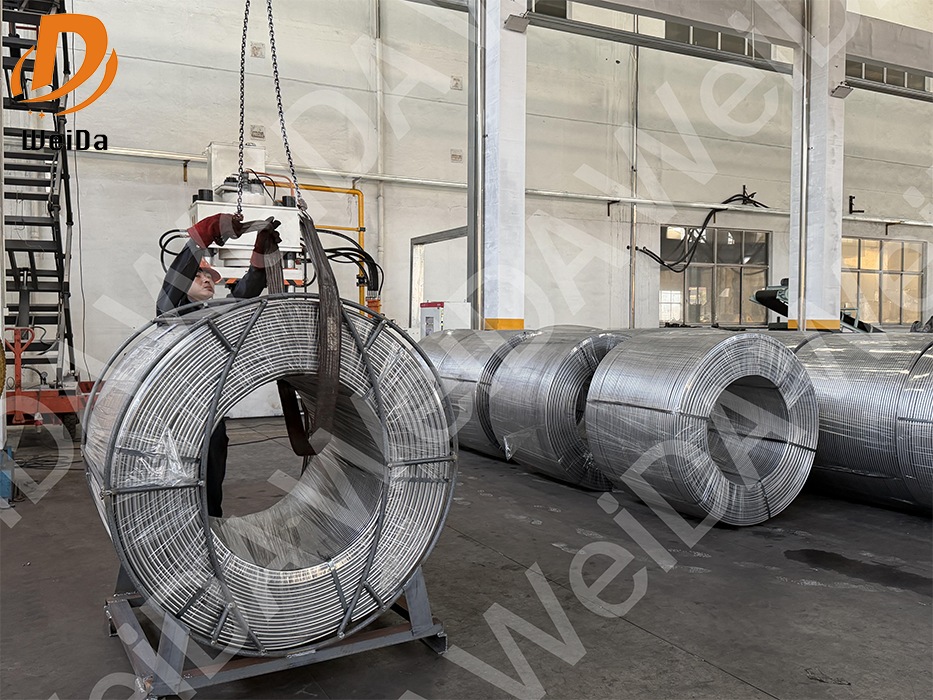
The Tundish: Final Opportunity for Quality Improvement
As steel flows from ladle to tundish to mold, several phenomena affect final quality. Inclusions can float out if given sufficient time and favorable flow conditions. Slag can be emulsified, re-entraining inclusions into the steel. Refractories can react with steel, generating new inclusions. Temperature must be maintained within tight windows. The steel must be protected from reoxidation by air. And flow into the molds must be stable and uniform. Each of these factors represents an opportunity—or a risk—for final product quality.
Our Solutions: Tundish Enhancement Technologies
Wuxi WeiDa offers multiple products designed to optimize tundish performance. First, tundish fluxes and cover powders. Our tundish covering fluxes are formulated to provide thermal insulation, prevent reoxidation, and absorb inclusions floating from the steel. Different formulations are available for different steel grades and casting conditions. Our basic tundish fluxes provide high inclusion absorption capacity, while acidic formulations are compatible with specific refractory systems.
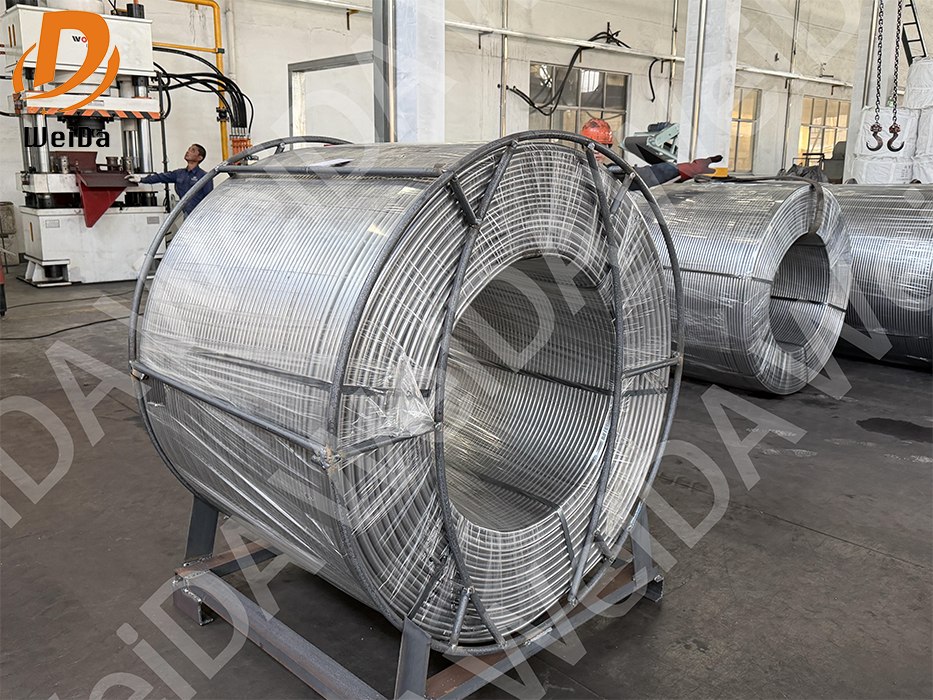
Second, tundish calcium treatment. For aluminum-killed steels, calcium addition in the tundish can provide final modification of any remaining alumina inclusions, ensuring fluidity and preventing nozzle clogging. Our tundish calcium wire is specially formulated for controlled release in tundish conditions.
Third, flow modification additives. In some cases, modifying steel viscosity or inclusion behavior can improve flotation. Our rare earth additions in the tundish can modify inclusion characteristics to enhance removal. Our calcium-silicon powders for tundish application can help condition steel for improved castability.
Fourth, tundish temperature control. Maintaining proper and consistent tundish temperature is essential for stable casting and proper solidification. Our tundish heating practices and thermal modeling support help optimize temperature management.
Inclusion Flotation and Removal
The tundish's primary metallurgical function is inclusion removal through flotation. Small inclusions rise slowly; larger inclusions rise more quickly. Our approach to tundish design and operation—including weirs, dams, and flow modifiers—promotes conditions that maximize inclusion flotation. Combined with optimized tundish flux practice, this can significantly reduce inclusion content reaching the mold.
Protection from Reoxidation
Air contact with the steel stream between ladle and tundish or tundish and mold causes reoxidation, forming new inclusions. Our shrouding practices and protective gas systems, combined with our tundish cover technology, minimize this source of contamination.
Startup and Grade Transition Optimization
The start of casting and transitions between grades are periods of increased defect risk. Our special startup practices and transition grade protocols, including controlled additive use, help minimize scrap during these critical periods.
If you're seeking to maximize continuous casting quality, Wuxi WeiDa's tundish metallurgy expertise can help. Contact us through https://www.weidamaterials.com/ to discuss your specific needs.