

Throughout our series, we've emphasized the importance of ladle metallurgy in achieving final steel quality. But ladle refining's effectiveness depends critically on what happens before the steel reaches the ladle: the tapping operation. Slag carryover from the furnace—EAF or BOF—contaminates the ladle with oxidizing slag that can undo much of the refining work to follow. How can you minimize this contamination and start your ladle treatment with a clean slate? Wuxi WeiDa Cored Wire Co., Ltd. provides solutions for slag control and early deoxidation.
The Slag Carryover Problem: Contamination at the Start
When steel taps from furnace to ladle, some furnace slag inevitably follows. This slag is typically highly oxidizing (high FeO+MnO content), saturated with impurities, and chemically incompatible with the reducing slag desired for ladle refining. When it enters the ladle, it oxidizes aluminum and other deoxidizers, re-oxidizes the steel, contaminates the ladle slag, and reduces refractory life. The effects persist throughout subsequent refining, compromising cleanliness and consistency.
Our Solutions: Preventing and Managing Carryover
Wuxi WeiDa offers multiple approaches to the slag carryover challenge. First, detection and prevention. Early warning of slag carryover allows operators to stop tapping before significant slag enters the ladle. Our slag detection systems and operating practices help minimize the slag volume transferred.
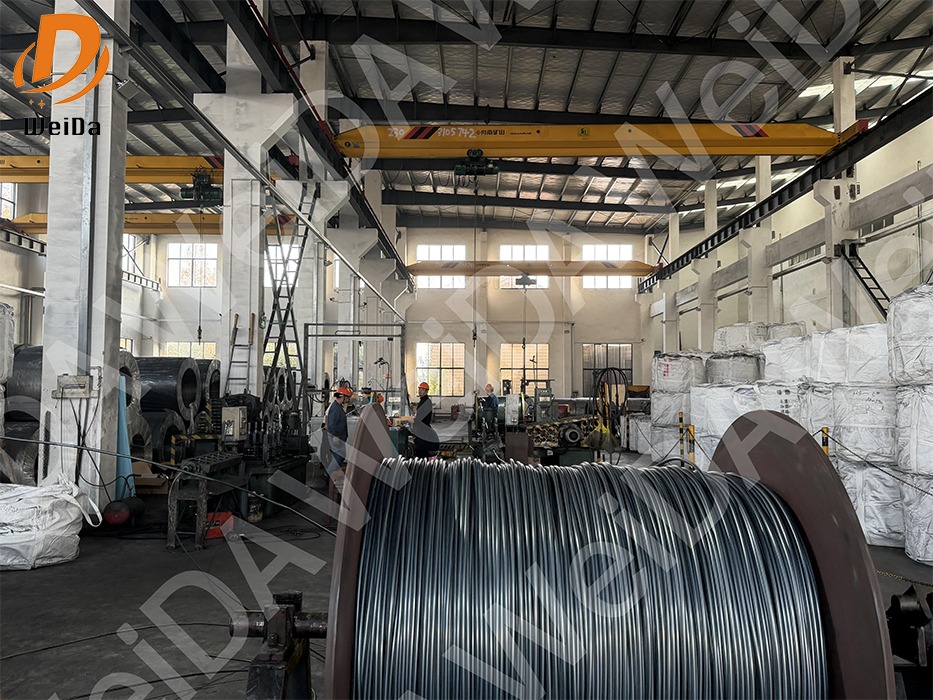
Second, slag conditioners. When carryover does occur, its harmful effects can be mitigated by rapid conditioning. Our slag conditioner cored wires—containing aluminum, calcium compounds, or other reducing agents—can be injected immediately to reduce FeO+MnO content, modify slag chemistry, and neutralize its oxidizing potential.
Third, early deoxidation. Adding deoxidizers during tapping, before significant slag emulsification occurs, can pre-treat the steel and minimize oxidation losses. Our aluminum wire and calcium-aluminum wire are available in formats suitable for tapping addition.
Fourth, slag raking practices. For severe carryover, physical removal may be necessary. Our slag raking recommendations and equipment guidance help implement effective deslagging without excessive steel loss or temperature drop.
The Economics of Slag Control
The cost of uncontrolled slag carryover extends beyond immediate alloy losses. It increases refractory consumption, extends treatment times, reduces predictability, and can ultimately cause quality failures. Investment in slag control—through detection, conditioning, and improved practices—typically pays for itself rapidly through reduced alloy consumption, improved productivity, and enhanced quality consistency.
If slag carryover is compromising your ladle metallurgy, Wuxi WeiDa can help. Visit https://www.weidamaterials.com/ to discuss your situation.