

Following our previous discussion on sustainable steelmaking, where we touched upon energy efficiency and process stability, today we focus on an invisible threat that directly impacts the internal quality of steel: hydrogen. Hydrogen is one of the most harmful impurity elements in steel. Even at very low levels (below 2-3 ppm), it can cause flaking (hydrogen-induced cracking), hairline cracks, and a significant reduction in tensile properties. For producers of heavy plates, rails, large forgings, and advanced high-strength automotive steels, the appearance of hydrogen-induced cracks often means the scrapping of entire batches, resulting in huge losses. How can you effectively prevent hydrogen pickup during ladle refining and ensure residual hydrogen levels remain within safe limits? Wuxi WeiDa Cored Wire Co.,Ltd offers a comprehensive hydrogen control solution based on refining slag optimization and precision alloy additions.
The Source of Hydrogen: An Invisible, Ubiquitous Killer
Hydrogen in molten steel primarily comes from moisture. This moisture can originate from alloys and auxiliaries (damp scrap, ferroalloys, lime), furnace linings and cover fluxes (inadequately baked refractories), and most directly, ladle slag and the atmosphere. Especially in the BF-BOF process, oil and moisture introduced with scrap are major sources. During the refining stage, moisture in the ladle slag (FeO·H₂O) and contact between the unprotected steel surface and humid air cause the molten steel to aggressively absorb hydrogen. Traditional processes often rely on prolonged vacuum degassing (VD/RH) to remove hydrogen, but this extends cycle times and significantly increases energy consumption and equipment maintenance costs.
Our Solution: Source Blocking and Process Control
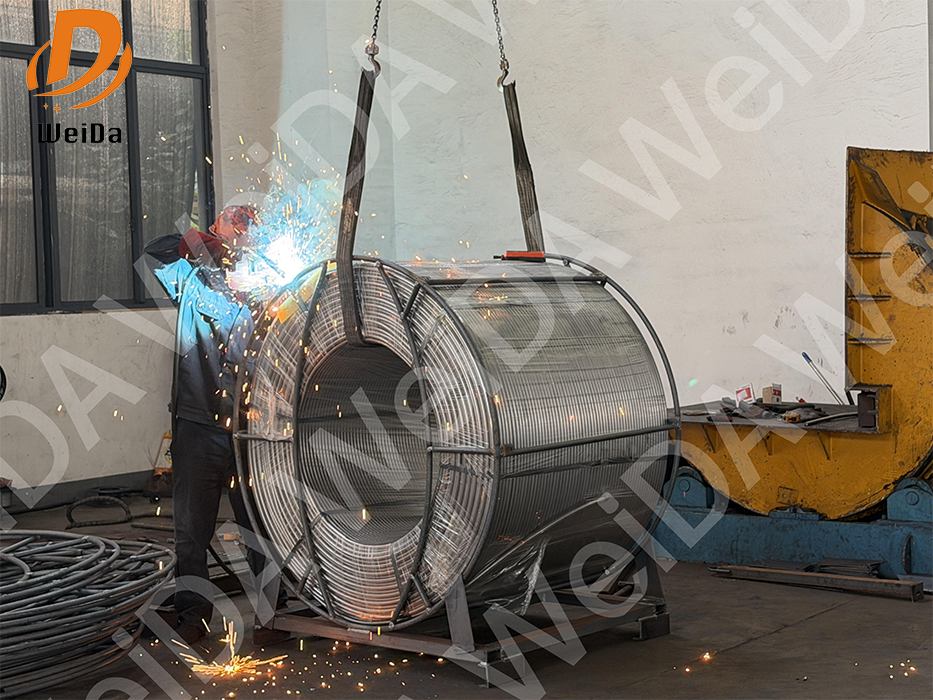
Wuxi WeiDa offers a suite of hydrogen control products and strategies covering the entire refining process. First, preventing hydrogen introduction at the source. Our high-purity alloy cored wires (e.g., high-purity aluminum wire, calcium iron wire, ferro titanium wire) are rigorously dried during production, ensuring extremely low moisture content, thus avoiding hydrogen pickup from adding damp alloys. Simultaneously, we strongly recommend using high-efficiency composite deoxidizers to quickly and deeply deoxidize the steel, thereby lowering its hydrogen solubility and thermodynamically inhibiting hydrogen absorption.
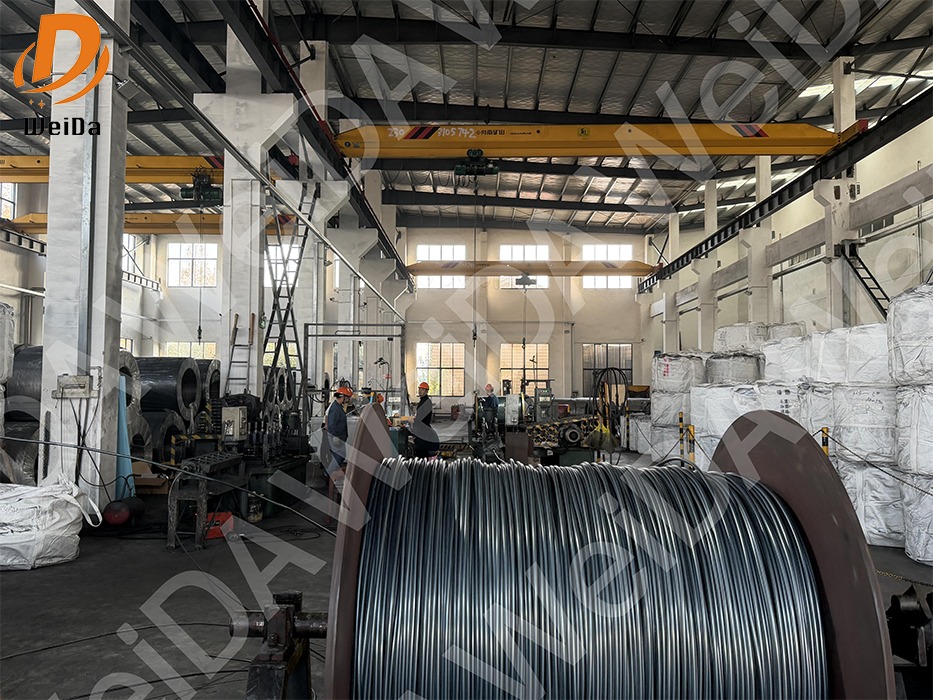
Second, optimizing the "barrier" capability of the refining slag. Refining slag is not only a medium for absorbing inclusions but also a "protective layer" preventing hydrogen absorption from the atmosphere. Our high-basicity pre-melted refining slag (synthetic slag) cored wires rapidly form a low-oxygen, high-fluidity liquid slag layer. This layer effectively isolates the molten steel from humid air, preventing hydrogen from penetrating through the slag layer into the steel. This is crucial for shortening vacuum treatment times and achieving low-cost hydrogen control.
Third, assisting degassing with calcium treatment. Although calcium's primary role is inclusion modification, precise calcium treatment can promote the aggregation and flotation of tiny bubbles in the steel, thereby aiding in removing some hydrogen even under non-vacuum conditions. The bubbles generated by vaporization of our pure calcium wire (Ca-wire) in deeply deoxidized steel can act like "air flotation," carrying hydrogen molecules into the slag phase.
Stable Process, Reliable Low-Hydrogen Steel Production
By adopting the comprehensive strategy outlined above, you no longer need to rely solely on expensive vacuum equipment for all steel grades. For most hydrogen-sensitive but not extremely demanding grades (e.g., high-strength low-alloy structural steels, construction machinery steels), Wuxi WeiDa's cored wire technology can help you consistently keep hydrogen content below a safe threshold (e.g., 2ppm) within your conventional process flow, significantly reducing reliance on vacuum degassing. This not only lowers energy consumption and steelmaking costs per ton but also improves the inspection pass rate for large castings and forgings.
To explore more about how to reduce hydrogen pickup risk, sources and control of hydrogen in steelmaking, and low-cost production of hydrogen-induced cracking resistant steel, please visit our website https://www.weidamaterials.com/ for professional information.