

In the previous article, we discussed preventing hydrogen pickup, touching upon the impact of the cored wire's own quality on hydrogen content. This leads to a more fundamental question: faced with various cored wire diameters on the market, from 9mm to 16mm and even thicker, which one is right for your ladle? An incorrect diameter choice not only wastes alloys but can also lead to insufficient wire penetration depth, poor alloy recovery, and even production incidents like wire jamming or breakage. How can you scientifically select the most suitable cored wire diameter based on your ladle dimensions, molten steel conditions, and treatment objectives? Wuxi WeiDa Cored Wire Co.,Ltd provides diameter selection guidance services based on fluid mechanics and metallurgical thermodynamics.
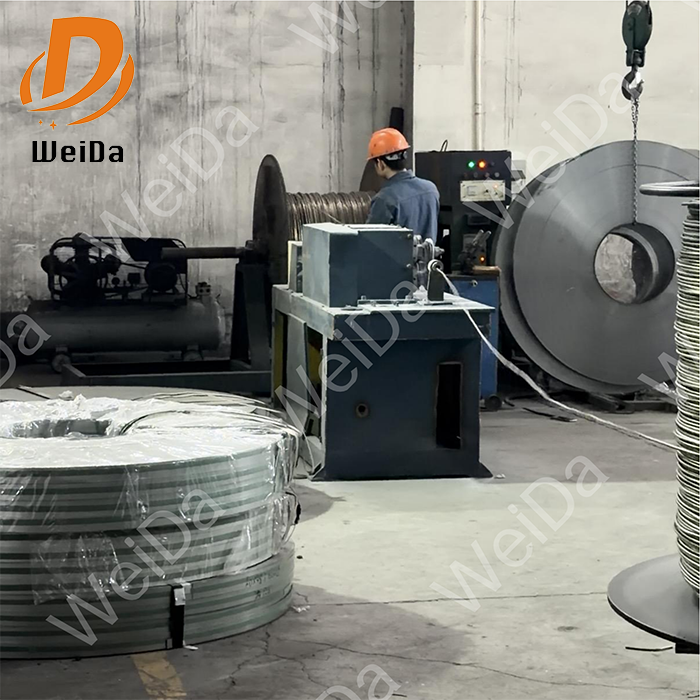
The Physics Behind Diameter: Penetration Depth is Key
The core task of cored wire is to deliver its alloy powder payload safely and efficiently deep into the molten steel. If the wire diameter is too small, the wire may melt prematurely after passing through the slag layer due to insufficient stiffness. This causes the alloy to splash or burn off on the steel surface or in the slag, resulting in very low recovery and deteriorating slag conditions. Conversely, if the wire diameter is too large, while penetration force is strong, it may take too long to melt and release the alloy, potentially forming "alloy lumps" at the solidification front, leading to composition inhomogeneity. It also increases the mechanical load on the wire feeder and the cost of the wire itself. The key is matching: the diameter determines the wire's weight and stiffness, and hence its maximum penetration depth in steel of a given viscosity.
Our Selection Logic: Matching Conditions and Objectives
Wuxi WeiDa recommends selecting cored wire diameter based on three core dimensions:
1.Ladle Capacity and Depth: For large ladles (e.g., >150 tons) , the high ferrostatic pressure requires strong penetrating force. We typically recommend 13mm or 16mm cored wire, whose high weight per unit length can easily reach the ladle bottom by inertia. For medium ladles (50-100 tons) , 13mm is the most versatile choice. For small ladles or tundishes, 9mm or 10mm cored wire is sufficient and easier to control for very small additions.
2.Alloy Type and Density: For low-density, easily vaporized alloys (e.g., pure calcium) , to ensure release at depth, we tend to use thicker wires with thicker steel sheaths to delay melting. For high-density, less oxidizable alloys (e.g., ferro titanium, ferro boron) , relatively thinner wires can be used.
3.Wire Feeder Capability: Older or low-power wire feeders may not be able to consistently drive thicker (e.g., 16mm) cored wires. Our technical team can pre-assess your existing equipment's capabilities, provide compatibility options, or suggest necessary upgrades.
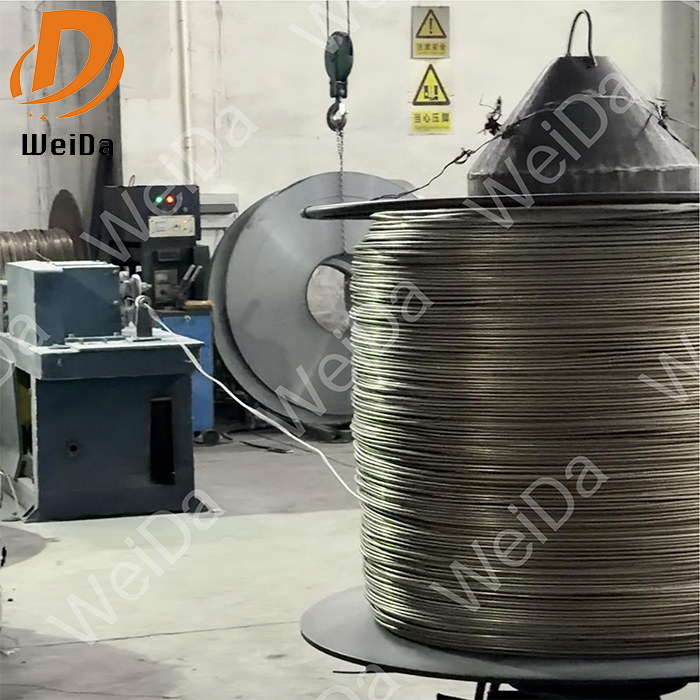
Economic Benefits: Thinner Isn't Always Cheaper
Many customers mistakenly believe that a smaller diameter, with its lower price per unit length, is more economical. This is a typical misconception. If a smaller diameter leads to a 20% drop in alloy recovery, you will need to buy and feed significantly more wire to achieve the target composition, thus dramatically increasing the overall cost. Wuxi WeiDa insists on providing a "total lifecycle cost" analysis. We help you select the most cost-effective diameter by calculating the "wire cost needed to achieve a unit of alloy effect," not the "price per kilogram of wire."
Precision Selection Starts with Professional Calculation
We don't expect you to guess based on experience. Wuxi WeiDa engineers use professional models, inputting your ladle dimensions, steel grade composition, treatment temperature, and other parameters to generate a Cored Wire Diameter Selection and Feeding Parameter Recommendation Report. This report will help you eliminate guesswork and ensure every meter of cored wire is used to its fullest potential.
Are you struggling to decide which cored wire diameter to use? Want to get a cored wire diameter selection comparison table or a wire feeding penetration depth calculation formula? Please visit https://www.weidamaterials.com/ to contact our application engineers.