

In the cost structure of steel production, alloy costs are often the largest expense raw materials. Whether it is aluminum for deoxidation, boron for improving hardenability, or titanium, vanadium, and niobium for enhancing properties, the prices of these alloying elements remain high year-round. However, a hidden pain point for many steel enterprises is that expensive alloys are added, but the amount remaining in the molten steel is far lower than expected. This fluctuation in alloy yield not only directly increases the cost per ton of steel but also makes process control unpredictable. Why do different heats using the same process show such large composition deviations? How can you minimize the waste of valuable metals while ensuring that steel properties meet specifications? Wuxi WeiDa Cored Wire Co.,Ltd provides high-precision wire feeding technology, which is the key to solving this core cost challenge.
The Alloy "Black Hole" Hidden in Plain Sight
Traditional alloy addition methods typically involve directly throwing aluminum lumps, ferrotitanium, or calcium silicon alloys into the ladle during tapping or early in refining. In that instant, the alloys must pass through the hot slag layer. The slag usually contains significant amounts of FeO and MnO, which are highly oxidizing. When reactive alloying elements (such as aluminum, calcium, and titanium) pass through this slag layer, they undergo severe oxidation burn-off. Additionally, less dense alloys (such as pure calcium) may boil and vaporize on the surface of the molten steel, evaporating directly into the air. In the end, often less than half of the alloy that actually penetrates the slag layer and reaches the deep molten steel remains effective. This unpredictability forces metallurgical engineers to adopt a "conservative strategy" – excessive addition, estimating a high loss rate and adding extra to be safe. However, this creates a vicious cycle: the more excess added, the more oxides in the slag, which in turn exacerbates burn-off in subsequent heats.
The "Armor" Effect of Cored Wire: Precise Delivery, Eliminating Loss
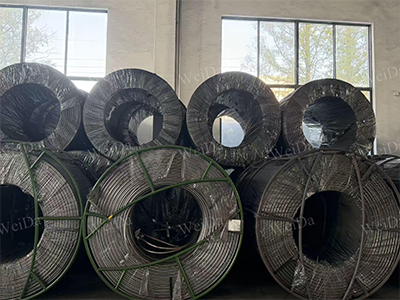
The core solution provided by Wuxi WeiDa Cored Wire Co.,Ltd is the precise of "cored wire + wire feeder" . We encapsulate high-purity alloy powders (such as high-purity calcium iron wire, high-magnesium alloy wire, high-vanadium nitrogen composite wire) within a dense steel sheath. This wire acts like putting a suit of armor on the alloy.
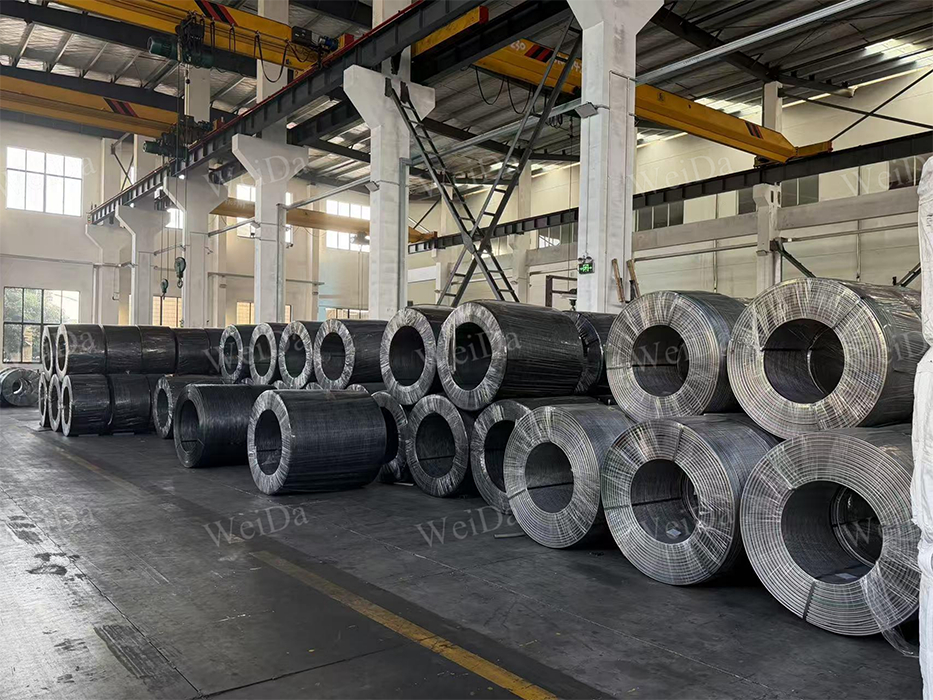
When you inject the cored wire into the molten steel using a wire feeder at a set speed, the wire uses its own weight and kinetic energy to instantly penetrate the highly oxidizing slag layer, reaching deep into the molten steel (typically more than 2 meters below the liquid surface) . Under the static pressure of the deep steel, the steel sheath melts, releasing the inner alloy directly into the liquid steel rather than into the slag. This process brings three core advantages:
1.Extremely high recovery rate: Because contact with oxygen in the slag is avoided, the effective recovery rate of easily oxidized elements like aluminum, calcium, and titanium can be stably increased from 50%-70% in conventional processes to 85%-95% .
2.Precise composition control: The speed of the wire feeder can be precisely adjusted, and the alloy content per meter of cored wire is constant. This allows us to control the wire feed length to achieve a very narrow target range for steel composition, completely eliminating "blind addition" and subsequent re-adjustments.
3.Stable process conditions: Avoiding the splashing and turbulence caused by adding alloy at once the slag system keeps the steel level, and energy consumption and refractory wear in the refining process are also reduced.
Making Every Penny Count
For any steel enterprise pursuing profitability, reducing alloy consumption in steelmaking is an eternal topic. The technology of Wuxi WeiDa Cored Wire Co.,Ltd is not simply about selling you a wire; it is about helping you establish an "on-demand feeding" precision metallurgical model. By adopting high-recovery cored wire technology, our customers typically achieve a substantial 15%-30% reduction in aluminum consumption, calcium consumption, or microalloying costs. This is not just cost savings; it is a qualitative leap in the ability to control the steelmaking process.
If you are looking for effective methods to reduce steelmaking costs or wish to improve the absorption rate of alloying elements, please visit our website https://www.weidamaterials.com/ to obtain our technical solutions for improving alloy yield.