

In the previous article, we discussed how to eliminate blister defects on cold-rolled sheet surfaces. Today, we focus on an important topic that affects both production costs and environmental performance: energy consumption reduction in the ladle refining process. The ladle refining furnace (LF) is an indispensable part of the modern steelmaking process, but it is also a major energy consumer. Electric arc heating, argon stirring, alloy addition, refractory wear – every link consumes energy. With the advancement of "dual carbon" goals, steel enterprises are facing increasing pressure to save energy and reduce emissions. How can you minimize energy consumption in the LF process while ensuring refining effectiveness? How can you achieve the goal of reducing power consumption by 10-20 kWh per ton of steel without lowering steel quality? Wuxi WeiDa Cored Wire Co.,Ltd provides a comprehensive energy-saving solution based on rapid slag formation, shortened refining time, and optimized heating practices.
Energy Consumption Composition of LF Refining: Electricity is the Main Component
The energy consumption of a ladle refining furnace mainly includes three parts: electric arc heating power consumption (largest share, about 70-80%), argon consumption (about 10-15%), and embodied energy of refractory and alloy consumption (about 10-15%). Among these, electric arc heating power consumption is the focus of cost reduction and efficiency improvement. The main factors affecting LF power consumption include:
First, incoming steel temperature. For every 10°C decrease in incoming temperature, an additional 1-2 minutes of heating is required, increasing power consumption by about 5-8 kWh per ton.
Second, refining time. The longer the LF treatment time, the longer the heating time, and the higher the power consumption. Extending treatment time from 40 minutes to 60 minutes can increase power consumption by 20-30%.
Third, melting efficiency of slag system and alloys. Lump slag materials and alloys require longer melting times, which not only extends treatment time but also increases ineffective heating.
Fourth, heat loss. Ladle heat dissipation, slag surface radiation heat loss, and temperature drop during waiting periods all increase the burden of subsequent heating.
Limitations of Traditional Energy-Saving Measures
Traditional energy-saving measures – such as lowering tapping temperature and reducing refining time – often conflict with quality control. Lowering tapping temperature requires more stringent converter endpoint control, which may lead to difficulties in dephosphorization. Reducing refining time may result in insufficient desulfurization and incomplete inclusion removal. The real challenge is how to save energy without sacrificing quality.
Our Solution: Rapid Slag Formation, Shortened Heating Time, and Reduced Heat Loss
Wuxi WeiDa Cored Wire Co.,Ltd helps you reduce LF refining energy consumption from the two dimensions of "time" and "temperature."
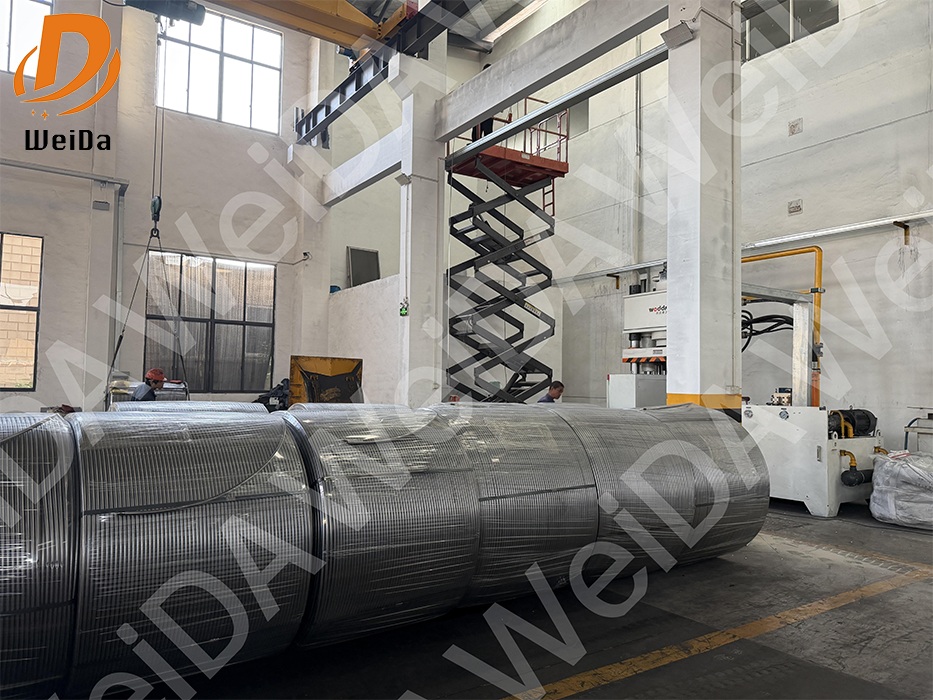
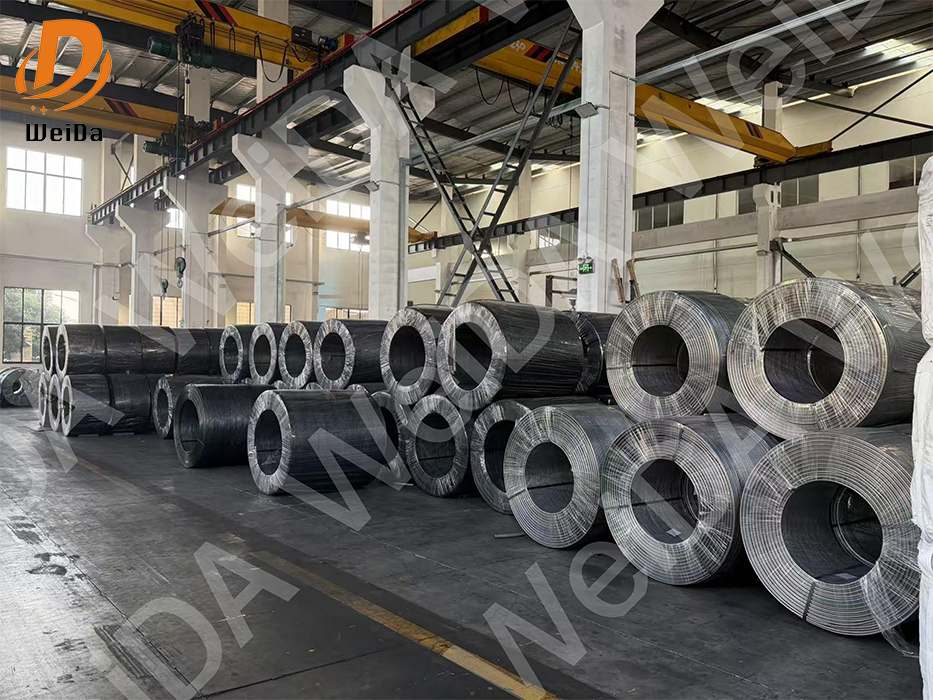
First, use pre-melted synthetic slag cored wire to achieve rapid slag formation. This is one of the most effective means of shortening refining time. Traditional slag materials such as lime, fluorspar, and bauxite require 10-20 minutes to completely melt and form liquid slag. During this process, a significant amount of electric arc heating energy is wasted on melting the slag materials rather than on heating the steel. Our pre-melted synthetic slag cored wire has already undergone pre-melting treatment at the factory, resulting in a uniform composition and low melting point. After being fed into the ladle, it forms liquid refining slag within 1-3 minutes. This means you can save 10-15 minutes of slag formation time, directly saving 10-15 kWh per ton of power consumption.
Second, use high-purity alloy cored wire to accelerate alloy melting. Lump alloys (such as aluminum lumps, ferrotitanium, ferrosilicon) have high density and high melting points, requiring a long time to melt and dissolve. Our cored wires pulverize the alloy into powder and encapsulate it in a steel sheath, greatly increasing the specific surface area and increasing the melting rate by 3-5 times. This not only shortens the alloying time but also avoids oxidation burn-off of alloys in the slag layer, improving recovery.
Third, optimize heating practices to improve thermal efficiency. The heating efficiency of LF is not constant; it is affected by multiple factors such as slag condition, steel temperature, and electrode condition. We recommend:
•Control slag layer thickness: An excessively thick slag layer hinders heat transfer, while an excessively thin layer leads to rapid heat loss. The ideal slag layer thickness is 40-60mm.
•Optimize argon stirring: Appropriate stirring promotes uniform heat distribution and improves heating efficiency. However, excessively strong stirring can expose the molten steel, increasing heat loss. Recommend using soft stirring (flow rate 30-50 L/min) during the heating stage.
•Use long arc operation: Long arcs can improve radiant heat transfer efficiency, but care must be taken to prevent the arc from penetrating the slag layer. Recommended voltage 300-400V, current 30-40kA.
Fourth, reduce heat loss to retain every degree of heat.
•Use ladle covering flux: Covering the steel surface with a low-thermal-conductivity covering flux can reduce radiation heat loss and slag crusting. Control covering flux consumption at 0.8-1.2 kg per ton.
•Ladle preheating: Ensure the ladle is fully preheated before receiving molten steel, with lining temperature reaching 1000-1100°C. A cold ladle can increase the temperature drop of the first heat by 20-30°C.
•Transport with lid: Using ladle lids during ladle transport can effectively reduce convection and radiation heat loss, reducing temperature drop by 5-10°C.
Fifth, shift some refining tasks forward to reduce the LF burden.
•Pre-deoxidation during tapping: During converter/EAF tapping, add aluminum wire or calcium silicon wire with the steel stream for pre-deoxidation, which can shorten the deoxidation time in LF.
•Desulfurization during hot metal pretreatment: Reduce sulfur in hot metal to below 0.005% in the hot metal ladle, which can significantly shorten the desulfurization time in LF.
•Ladle bottom argon stirring: Use bottom argon stirring for pre-stirring and pre-heating before the steel enters LF, which can shorten LF heating time.
Sixth, optimize production rhythm to reduce waiting time. Waiting time for LF (waiting for heating or waiting to exit after steel enters the station) is the biggest energy waste. We recommend:
•Match continuous casting and refining rhythm: Avoid long waiting times for steel at the LF station.
•Hot ladle turnaround: Shorten the interval time from tapping to empty ladle to maintain lining temperature.
Quantifiable Benefits: A Win-Win for Cost Reduction and Carbon Reduction
After adopting Wuxi WeiDa's LF energy-saving solution, customers typically achieve: power consumption reduced by 15-25 kWh per ton of steel, LF treatment time shortened by 15-25 minutes, argon consumption reduced by 10-15%, and refractory life extended by 10-20%. Based on an annual production of 2 million tons of steel, this can save approximately 15-25 million RMB in electricity costs and reduce CO₂ emissions by approximately 25,000-40,000 tons per year.
The Core Logic of Refining Energy Optimization
Energy consumption optimization for LF refining is not about being "stingy," but about "improving efficiency." Through rapid slag formation, accelerated melting, reduced heat loss, and optimized rhythm, you can significantly reduce energy consumption while maintaining or even improving steel quality. Wuxi WeiDa's products and services are not just consumables; they are "accelerators" for your energy savings and consumption reduction.
If you wish to reduce LF refining energy consumption while ensuring steel quality, or if you are troubled by excessively high power consumption per ton of steel, please visit our website https://www.weidamaterials.com/ to obtain the complete solution for LF refining energy savings and consumption reduction.