

In the previous article, we discussed how to systematically improve the surface quality of continuous casting slabs. Today, we focus on an element that has a significant impact on low-temperature toughness and brittle fracture resistance of steel: phosphorus control. Phosphorus segregates at grain boundaries in steel, reducing grain boundary cohesion and causing low-temperature brittleness, temper embrittlement, and weld cracking. For high-toughness products such as pipeline steel, shipbuilding steel, bridge steel, and low-temperature vessel steel, phosphorus content is key to passing impact toughness tests. How can you stably control phosphorus content in molten steel at ≤0.010% or even ≤0.005% ? Wuxi WeiDa Cored Wire Co.,Ltd provides a comprehensive solution based on slag optimization, dephosphorization practice, and end-point control.
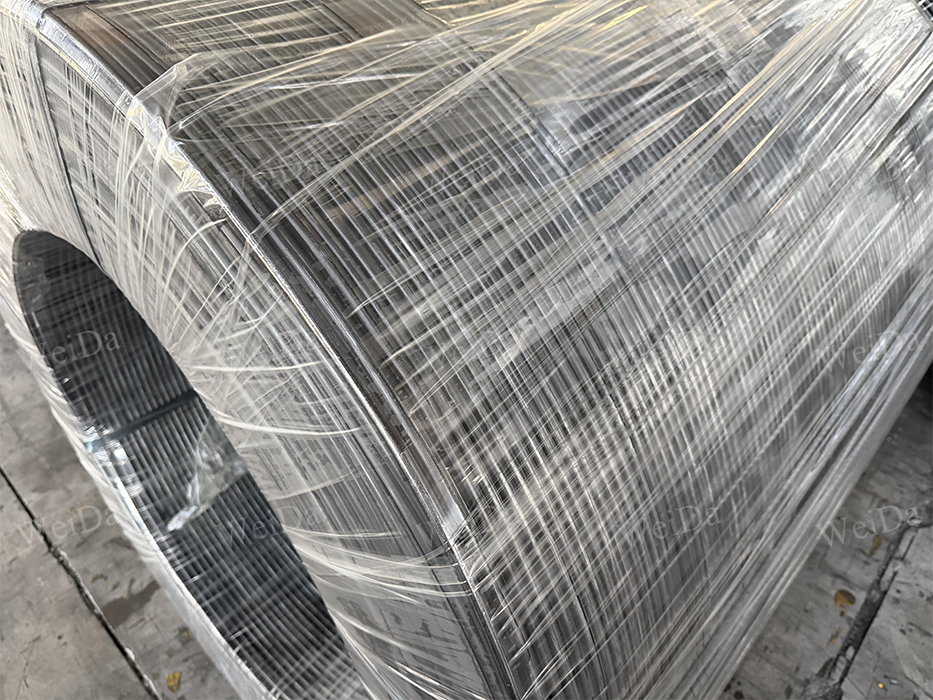
The Harm of Phosphorus and Difficulties in Dephosphorization
Every 0.005% increase in phosphorus can raise the ductile-brittle transition temperature by 5-10°C. The dephosphorization reaction reverses at high temperatures, causing phosphorus reversion. Traditional dephosphorization methods have three major pain points: unstable efficiency leading to inconsistent end-point phosphorus; high reversion risk during tapping and refining; and the contradiction between dephosphorization and decarburization in the later stage of converter operation.
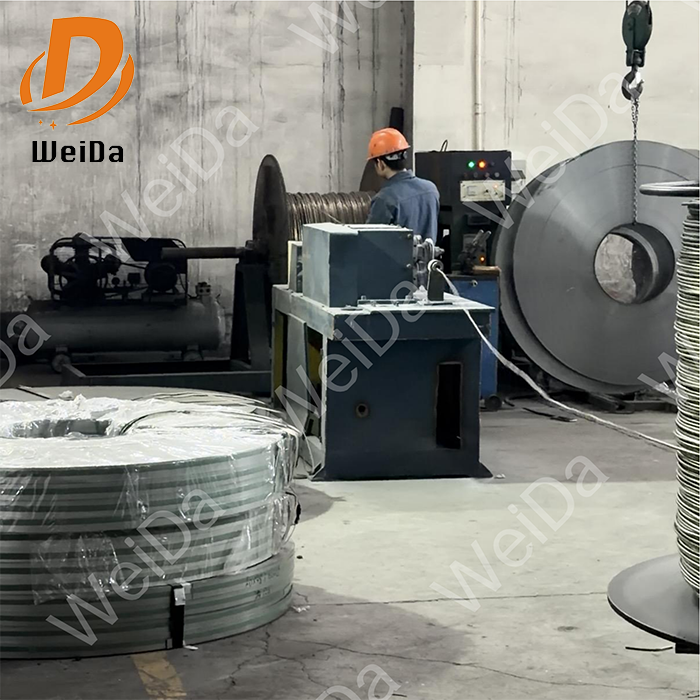
Our Solution
First, hot metal pretreatment dephosphorization. Use magnesium-based or lime-based dephosphorizer cored wire to rapidly reduce phosphorus from 0.08-0.10% to below 0.020% at low temperatures.
Second, converter double-slag practice. In the early stage, use low temperature and high-FeO slag for dephosphorization. In the later stage, raise temperature for decarburization. Use a sublance to monitor end-point phosphorus in real-time and tap immediately after the target is met.
Third, prevent phosphorus reversion during tapping. Use slag-free tapping to reduce slag carryover. Add aluminum wire or calcium silicon wire for rapid deoxidation to reduce FeO. Use low-phosphorus alloys (P<0.005%).
Fourth, control phosphorus reversion during refining. Keep FeO in the slag below 1% and basicity above 4. Shorten heating time to avoid temperature rise.
Fifth, use synthetic slag cored wire for slag adjustment. Supplement CaO to dilute P₂O₅. Feed aluminum calcium wire to reduce FeO and inhibit reversion.
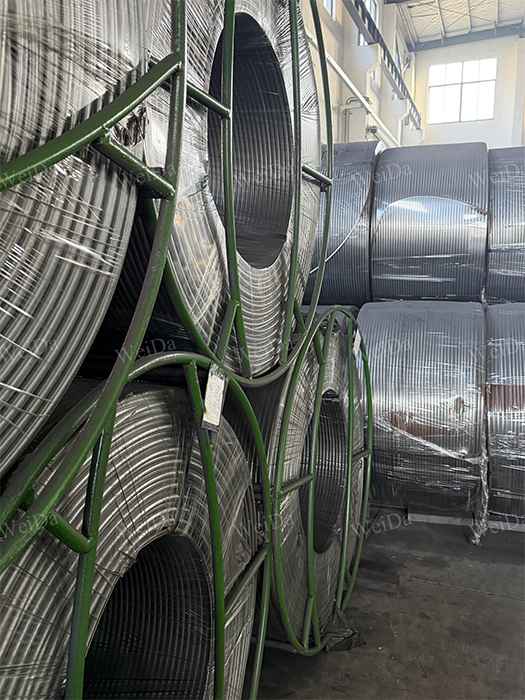
Benefits
After implementation, customers typically achieve: end-point phosphorus ≤0.008% , phosphorus reversion ≤0.002% , -40°C impact energy of pipeline steel increased by 20-30 Joules, and low-temperature impact qualification rate of shipbuilding steel reaching over 98% .
From "End-Point Remediation" to "Full-Process Control"
Phosphorus control requires full-process coordination from hot metal pretreatment to refining. Through the four-step linkage of pre-dephosphorization, double-slag practice, reversion prevention, and slag stabilization, you can achieve stable low-phosphorus steel production.
If you are troubled by unstable low-temperature impact toughness or difficulty in meeting phosphorus specifications, please visit https://www.weidamaterials.com/ to obtain the complete solution.