

In the previous article, we discussed how to control phosphorus content in steel to meet high-toughness application requirements. Today, we focus on a challenge that is becoming increasingly prominent as scrap usage increases: residual element control. With the development of EAF short-process steelmaking and the increasing scrap ratio in BOF converters, harmful residual elements from scrap (copper, tin, antimony, arsenic, lead, etc. ) are continuously accumulating in the steel. These elements cannot be removed by conventional refining methods and directly damage the steel's hot workability, toughness, weldability, and corrosion resistance. For products like high-grade bars and rods, automotive sheets, and structural steels, excessive residual element levels are a primary cause of quality downgrading and customer complaints. How can you effectively control residual elements in scrap-based steelmaking, leveraging the cost advantages of scrap while ensuring product quality? Wuxi WeiDa Cored Wire Co.,Ltd provides comprehensive control strategies based on dilution methods and inclusion modification.
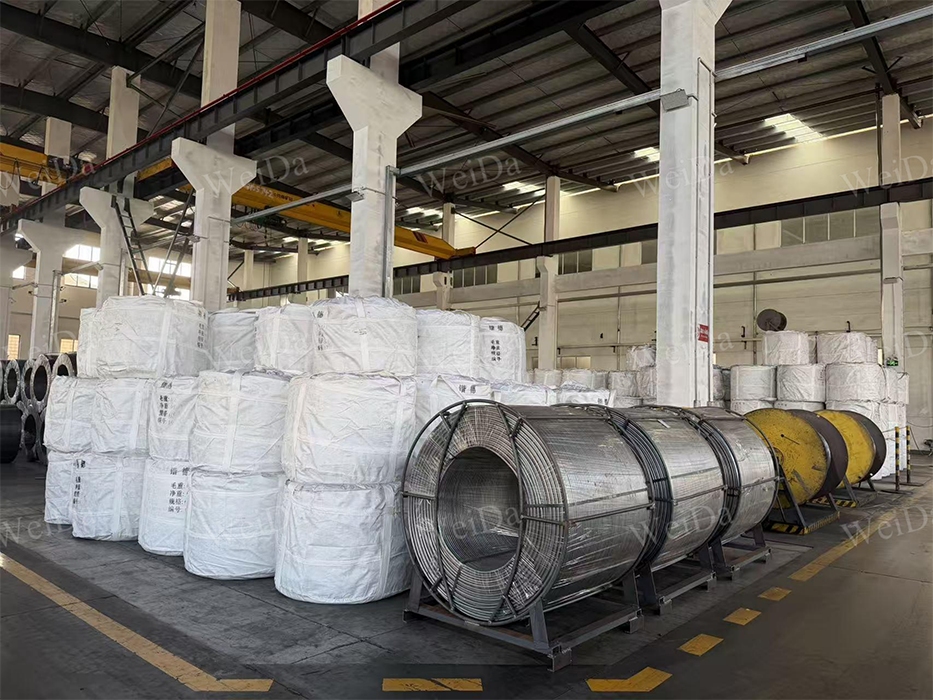
The Hazard of Residual Elements: The "Time Bomb" Hidden in Scrap
Scrap is a valuable iron resource, but the copper, tin, antimony, arsenic, lead, and other residual elements it contains are harmful impurities in steel. The hazards of these elements are primarily manifested as: hot shortness – copper and tin can form low-melting-point liquid phases that enrich at grain boundaries during heating, leading to surface cracks during hot working (especially copper embrittlement); reduced weldability – residual elements promote the formation of hard and brittle structures in the weld heat-affected zone; toughness loss – arsenic and antimony segregate at grain boundaries, weakening grain boundary cohesion and reducing low-temperature impact toughness; and degraded corrosion resistance – some residual elements can the protective oxide film on the steel surface.
Limitations of Traditional Methods
Traditional methods for controlling residual elements mainly focus on source control – selecting scrap with low impurity levels. However, this increases raw material costs, and with the increasing number of scrap recycling cycles, the accumulation of residual elements is an inevitable trend. The dilution method – using high-purity hot metal or DRI/HBI to dilute residual element concentrations in scrap – while effective, is limited by blast furnace capacity and the cost of direct reduced iron. The core question is: besides dilution, is there a way to reduce the harmful effects of residual elements?
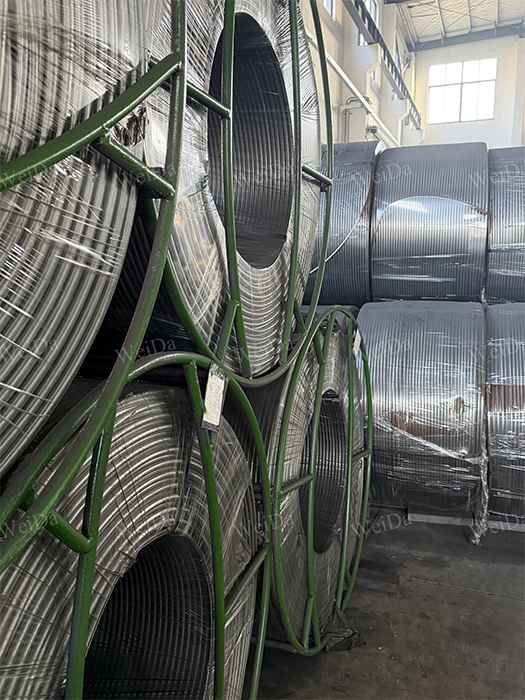
Our Solution: Dilution + Modification
Wuxi WeiDa Cored Wire Co.,Ltd adopts a two-pronged approach of "dilution + modification."
First, the dilution method: optimize charge composition. This is the most direct strategy. By increasing the proportion of high-purity hot metal or direct reduced iron (DRI/HBI) , the share of scrap in the charge is reduced, thereby diluting the concentration of residual elements. We provide charge optimization consulting to help you find the best balance between cost and quality. For steel grades with extremely high requirements, we recommend increasing the DRI/HBI ratio to 30-50%.
Second, the modification method: reduce the harmful effects of residual elements. This is one of the core applications of Wuxi WeiDa's cored wire technology. Although certain elements cannot be removed from the molten steel, their harmful effects can be reduced by combining them with other elements or changing their distribution morphology:
•Rare earth treatment (RE treatment) : Rare earths (cerium, lanthanum) have a strong affinity for residual elements like copper, tin, and antimony. By feeding rare earth cored wire, these residual elements can be "fixed" within the grains rather than at the grain boundaries, significantly reducing their hot shortness hazard. Research shows that an appropriate amount of rare earth addition can reduce copper-induced hot shortness sensitivity by over 50%.
2.Magnesium treatment (Mg treatment) : Magnesium can also form high-melting-point compounds with certain residual elements, altering their segregation behavior. Our magnesium cored wire is also applicable for residual element modification in certain specialty steel grades.
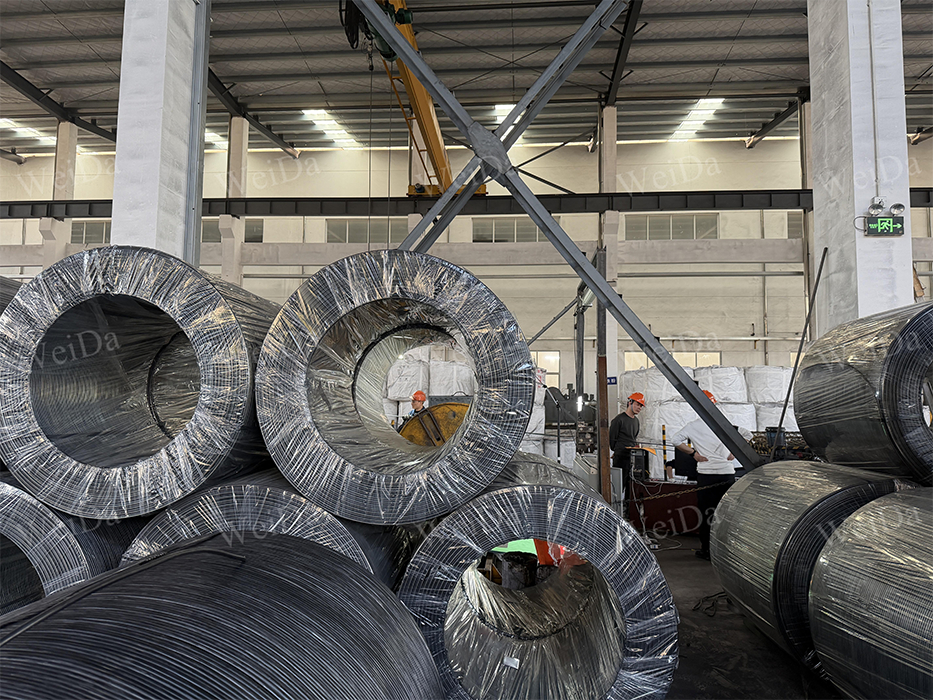
Third, the synergistic effect of calcium treatment and sulfide morphology control. Although calcium treatment has no direct effect on removing residual elements, it can indirectly reduce their harm by modifying sulfides. This is because sulfides (especially MnS) are "enrichment sites" for residual element segregation. By feeding calcium iron cored wire to modify MnS into globular CaS or Ca-S-O, the enrichment of residual elements in sulfides can be reduced, thereby diminishing their harm to the steel matrix.
Fourth, process optimization: accelerating diffusion and homogenization. The segregation of residual elements is the core cause of hot shortness. By optimizing the heating process (e.g., increasing heating temperature, extending holding time), the diffusion of residual elements in austenite can be promoted, reducing their grain boundary segregation. Our technical team can assist you in optimizing soaking process parameters to minimize the harmful effects of residual elements without significantly increasing energy consumption.
Quantifiable Benefits
After adopting Wuxi WeiDa's comprehensive control solution, customers typically achieve: hot rolling surface crack rate reduced by 50-70% , transverse impact toughness improved by 20-30% , weld heat-affected zone toughness improved by 15-25% , and scrap usage ratio increased by 10-20% without affecting product quality.
Facing the Quality Challenges of the Scrap Age
With increasingly abundant scrap resources and deeper recycling, residual element control will be a technical challenge that all steel enterprises must face. Wuxi WeiDa can not only provide you with high-purity, customized alloy cored wires but also collaborate with you to explore optimal strategies for residual element control , helping you maintain quality while reducing raw material costs.
If you are troubled by product quality issues caused by residual elements in scrap , or wish to increase the scrap ratio while ensuring steel properties , please visit our website https://www.weidamaterials.com/ to obtain the complete solution for residual element control.