

In the previous article, we discussed how to control residual elements in scrap to ensure product quality. Today, we focus on a critical step in the ladle refining process that directly affects energy consumption and costs: ladle heating optimization. LF arc heating is the primary means of raising steel temperature, but traditional methods suffer from low heating efficiency, high electrode consumption, and nitrogen and carbon pickup. How can you optimize the heating practice to reduce energy consumption and electrode consumption while maintaining heating rate? Wuxi WeiDa Cored Wire Co.,Ltd provides a comprehensive solution based on slag system optimization, arc control, and operating procedures.
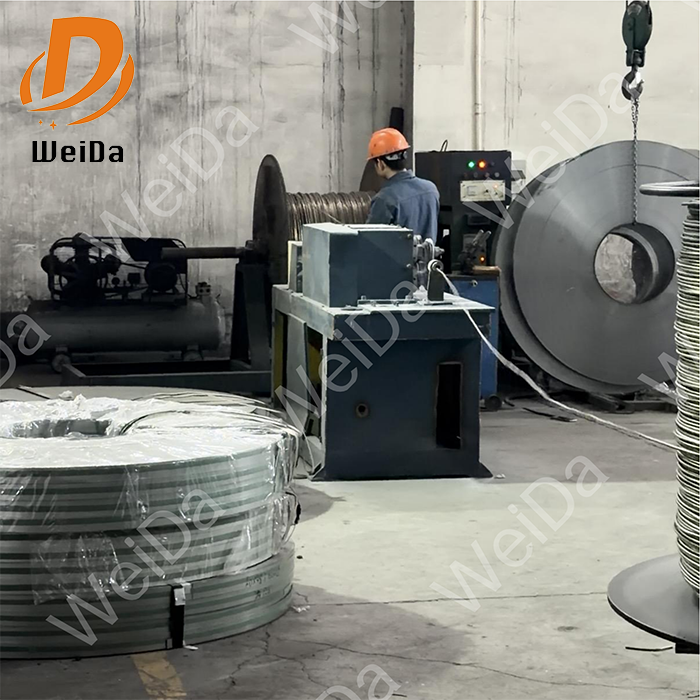
Pain Points of Heating
The main issues with LF heating include: thermal efficiency below 50% , with large amounts of heat lost through radiation and conduction; electrode consumption of 0.8-1.5 kg per ton of steel, representing significant cost; nitrogen pickup from ionization in the arc zone and carbon pickup from electrode oxidation; and arc disruption of slag system stability, affecting desulfurization and inclusion absorption.
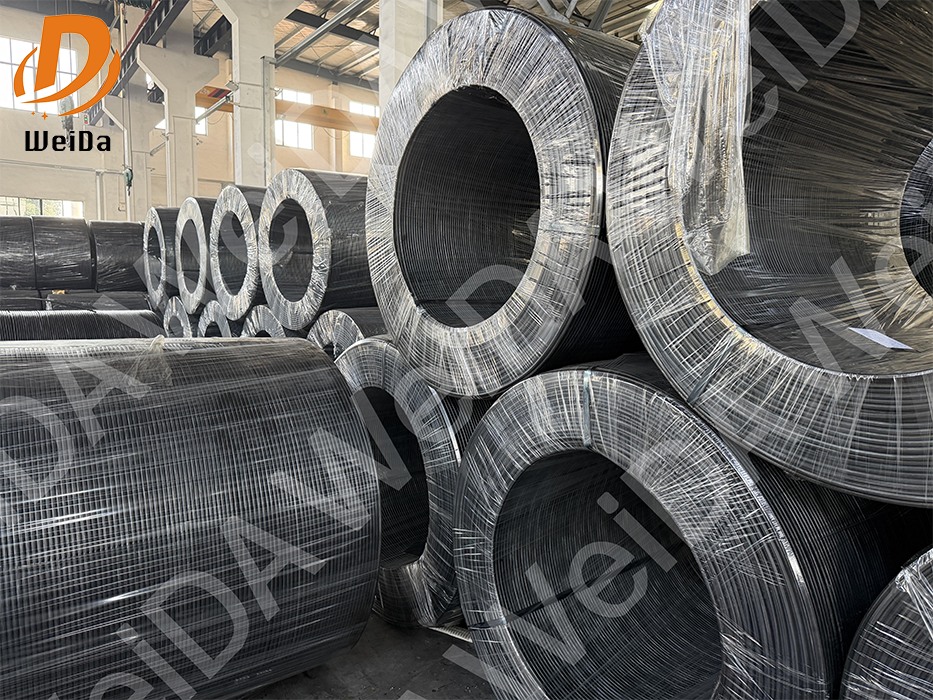
Our Solution
First, slag system optimization. Control slag layer thickness at 40-60mm. Excessive thickness reduces thermal efficiency; insufficient thickness increases heat loss and nitrogen pickup risk. Use synthetic slag cored wire to rapidly form liquid slag with appropriate melting point and conductivity. Keep FeO in the slag below 1% to reduce absorption of arc energy.
Second, intelligent arc control. During the heating stage, use high voltage (350-450V) and high current (35-45kA) for a long arc to heat rapidly. During the holding stage, switch to low voltage (200-300V) and medium current (25-35kA) for a short arc to maintain temperature. During the alloying stage, use pulse heating to avoid localized overheating.
Third, electrode management. Preheat electrodes before splicing. Use small, frequent clamping increments. Use oxidation-resistant coated electrodes to reduce oxidation loss by 30-50%.
Fourth, shorten heating time. Use pre-melted synthetic slag to reduce slag formation time from 15 minutes to 3 minutes. Increase incoming steel temperature by 10-20°C to reduce heating time by 10-15 minutes. Use ladle lids to reduce temperature drop during transport.
Fifth, optimize argon stirring. Use soft stirring (30-50 L/min) during the heating stage to avoid the slag layer.
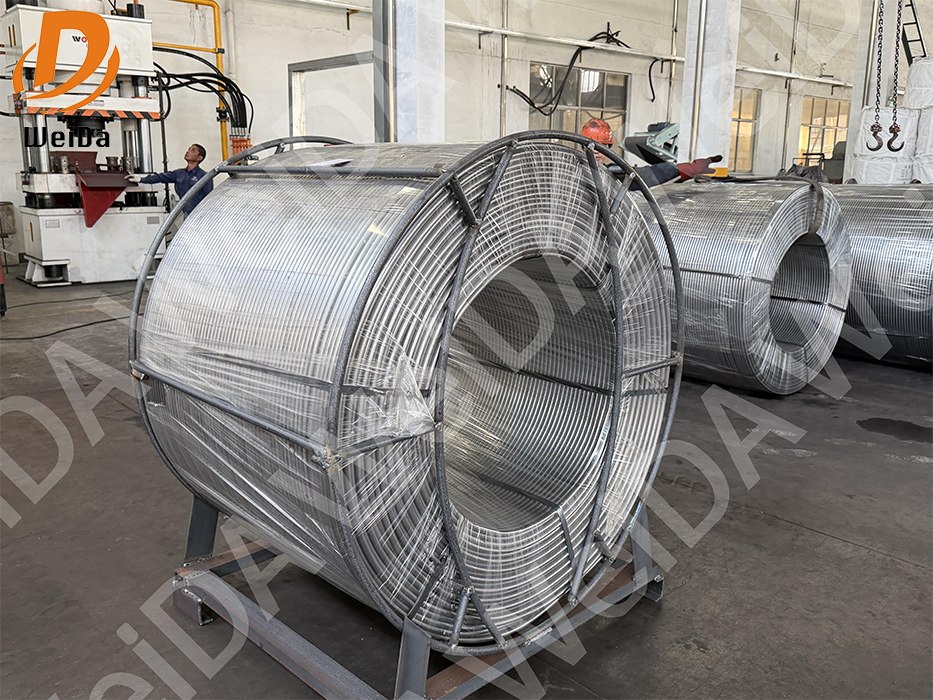
Benefits
After implementation, customers typically achieve: power consumption reduced by 15-25 kWh per ton, electrode consumption reduced by 15-20% , treatment time shortened by 10-20 minutes, nitrogen pickup reduced by 30-50% , and slag life extended by 20-30% .
From "Rough Heating" to "Precision Temperature Control"
Through the three-pronged synergy of slag system, arc control, and operation, you can transition from "rough heating" to "precision temperature control," significantly reducing energy consumption and costs.
If you are troubled by excessively high LF power consumption, high electrode consumption, or nitrogen and carbon pickup, please visit https://www.weidamaterials.com/ to obtain the complete solution.